
Magnesium: Why Is It Important?
An overview of magnesium and tips to help you get enough of this essential mineral.

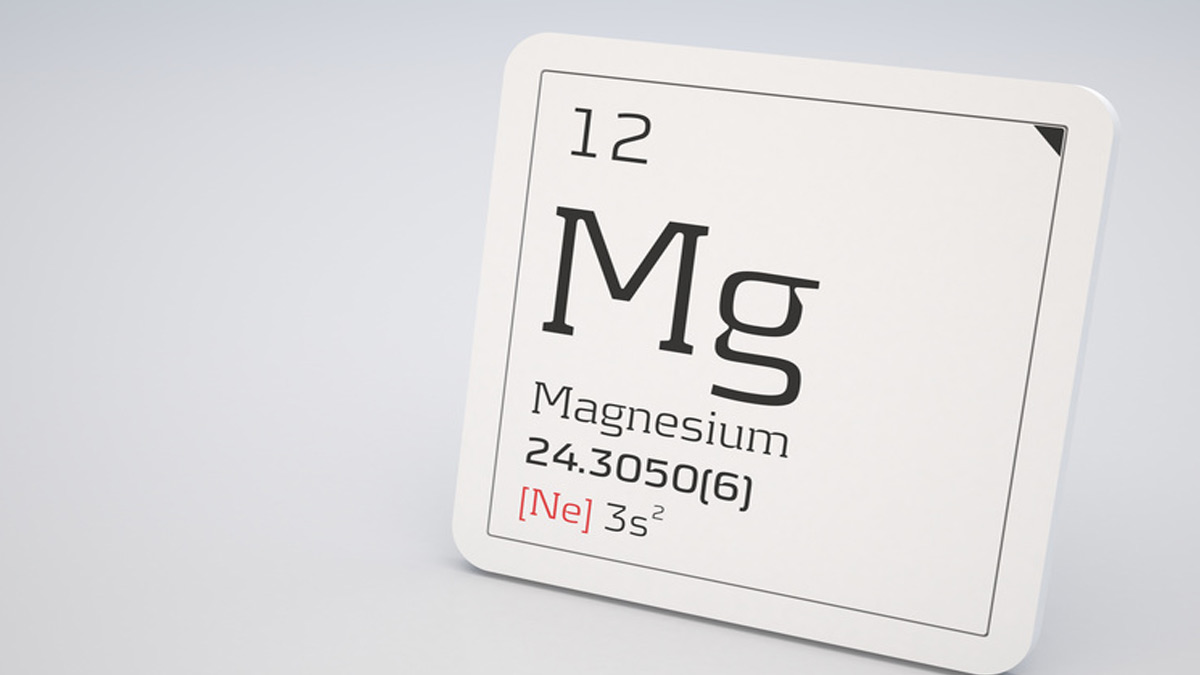
Magnesium Intake
In recent years, it seems that one in three people may lack magnesium. However, according to a study published in the journal Advances in Nutrition, this figure may be underestimated.
Indeed, a magnesium level below 0.82 mmol/L could already indicate a magnesium deficiency, whereas current reference ranges consider magnesium levels to be normal between 0.75 and 0.95 mmol/L.
Magnesium and Essential Metabolic Functions
Magnesium is a mineral that may play a crucial role in the body, at a level comparable to calcium, particularly with regard to bone metabolism.
Magnesium, a powerful remineralizing agent, may help support muscle energy and contribute to the normal function of the nervous (including serotonin release) and immune systems.
Magnesium and Diet
Eating a balanced diet may not always be enough to meet magnesium needs. Indeed, modern diets seem to contain less magnesium: fewer whole grains (which are richer in magnesium than refined grains), fewer vegetables, and more meat-based and processed foods. The vitamin and mineral content of fruits and vegetables may also decrease due to farming methods, storage, transportation, and other factors.
According to a British study published in 2006, vegetables may have lost nearly 24% of their magnesium content between the 1940s and the 1990s. Cooking methods may also contribute to significant magnesium loss (such as prolonged cooking or boiling), while certain dietary habits may increase calcium loss through urine (excessive alcohol consumption, diets high in sugar and fat).
Finally, lifestyle factors may also play a role. Stress and intense physical activity, for example, may increase magnesium utilization.
Magnesium and Supplementation
If a varied and balanced diet does not always seem sufficient to meet magnesium needs, supplementation may be a simple and effective option.
There are different forms of magnesium available in supplements, and it is not always easy to choose between them. One important factor to consider is the product’s bioavailability. For example, Multi Magnesium Formula is a complex with high bioavailability. Magnesium Malate may also be well absorbed by the body and is sometimes associated with supporting natural detox processes.
Other forms of magnesium may also offer high bioavailability: magnesium citrate, magnesium aspartate, magnesium gluconate, magnesium lactate, etc.
There are also more recent forms, such as Magnesium Threonate (or L-threonate).
To learn more about the different forms of magnesium and their characteristics, you can visit the Magnesium section on the SuperSmart website.
Keywords





18 Hours
Recommended: "Eye Pressure"
(Eye Pressure pills) Highly recommended for glaucoma patients
LM
2 Days
Great follow-up
Great follow-up
Michael Henderson
5 Days
My hair isn't gray.
My hair isn't gray.
TANQUARY Damon
6 Days
The ease of ordering is not the only …
The ease of ordering is not the only reason why I trust Super Smart Supplements. This company researches everything they sell. Educating Me with a wealth knowledge to make Better Supplement choices. The paractin Andrographis is awesome! I noticed less Knee, shoulder or joint pain. Which proves to me, you're never too old to repair what a lifetime of intense usage has done to your body. I recommend SUPER SMART to anyone who is looking to improve their overall health & maintain an active ,pain free life as You age.
Mchael Montalbano
9 Days
Quick shipping and very good quality
Quick shipping and very good quality. I’ve bought from them for the last six months
Monig
11 Days
love the quality of the supplements!
love the quality of the supplements!
Tatiana
13 Days
Came quickly
Came quickly
Courtney Everson
14 Days
Feels great on my skin
I have only used the SuperSmart NAD face cream for a couple of weeks. So I can’t say it transformed my skin yet. However, it absorbs nicely. Is not oily or caused any acne. It feels wonderful in my routine which means I will consistently use every day! I’ve already researched the ingredients so I’m confident it will help clear the zombie cells and keep my skin looking fresh. I’m pleasantly surprised and will repurchase!
Moto
17 Days
Excellent quality
Excellent quality, I can usually tell the difference when I get other cheaper brands that are not as good. Supersmart is my first choice
MMA TUBE
20 Days
Like the product
Like the product. The bottle design is too bland.
JENKINS Rose
26 Days
Super easy and great communication
Super easy and great communication
Greg Maurer
29 Days
Cured my blood sugar issues with correct diet and almost no sugar.
Ordering was very easy and it was here within a day or two. But the best thing of all is that it fixed my blood sugar problems. I was sweating throughout the night. I had almost completely stopped sugar , which definitely helped, but I was still having sweats and this product here solved that problem. It took me years to figure it this out. I hope this helps somebody.
Rickey Matlock
34 Days
I was impressed by the patience of the representative who helped me!
I was having a very hard time trying to set up my account with them and they were very helpful and patient to get it done for me! And I was impressed by all the information they provided about the product I was purchasing!
Rebecca M.
34 Days
Super Smart Choices
I have been a customer for a few years.I have learned many things about the supplements Super smart sells. It helps me make better choices from their vast inventory of supplements. The prices are reasonable, with frequent sales. Also, website is user friendly & I receive my products in just a few days. Great company !!!
Mchael Montalbano
34 Days
Very fair price and free shipping
Very fair price and free shipping. Arrived in a timely manner.
FLORES Jorge