
Eating Gluten-Free: Is It Necessary?
Better performance, improved digestion, gluten sensitivity… There are many reasons people choose to remove this molecule formed during the kneading of flour. But are all of these reasons well-founded?

Why Eat Gluten-Free?
The days when wheat was seen as a symbol of health are long gone. Criticized by a growing part of the population, this cereal is suspected of contributing to various symptoms, and its consumption has already begun to decline.
Gluten sensitivity
We still know relatively little about this form of sensitivity linked to gluten. Initially dismissed, it is now recognized by the scientific community. When affected individuals consume foods containing gluten, several symptoms may appear, including: abdominal discomfort, bloating, intestinal disturbances, headaches, fatigue, muscle and joint discomfort, numbness, skin challenges, and more.
The symptoms disappear when gluten intake stops and return as soon as it is reintroduced. Apart from these symptoms, no additional complications have been documented so far, though further studies are needed. Diagnosis is tricky: avoiding and then reintroducing gluten-containing foods is recommended when gluten sensitivity is suspected. According to scientific publications, prevalence is estimated to be between 5% and 13% of the population.
How to Successfully Eat Gluten-Free?
- Remove rye, oats, wheat, barley, and triticale, as well as spelt and kamut, from your diet.
- Avoid prepared and processed foods. Gluten is used in most processed products such as sauces, condiments, cakes, sweets, and deli meats. Choose whole, unprocessed foods (fruits, vegetables, meats, fish, nuts) and prepare them yourself.
- Limit dedicated gluten-free products. Although "gluten-free" items are intended for your diet, they are still processed foods and may contain various additives. A study even showed that the glycemic index of these products is sometimes quite high. Some of them may also contain traces of gluten. Finally, gluten-free bread and pasta are often expensive and less flavorful (since gluten is responsible for the texture and taste of traditional products).
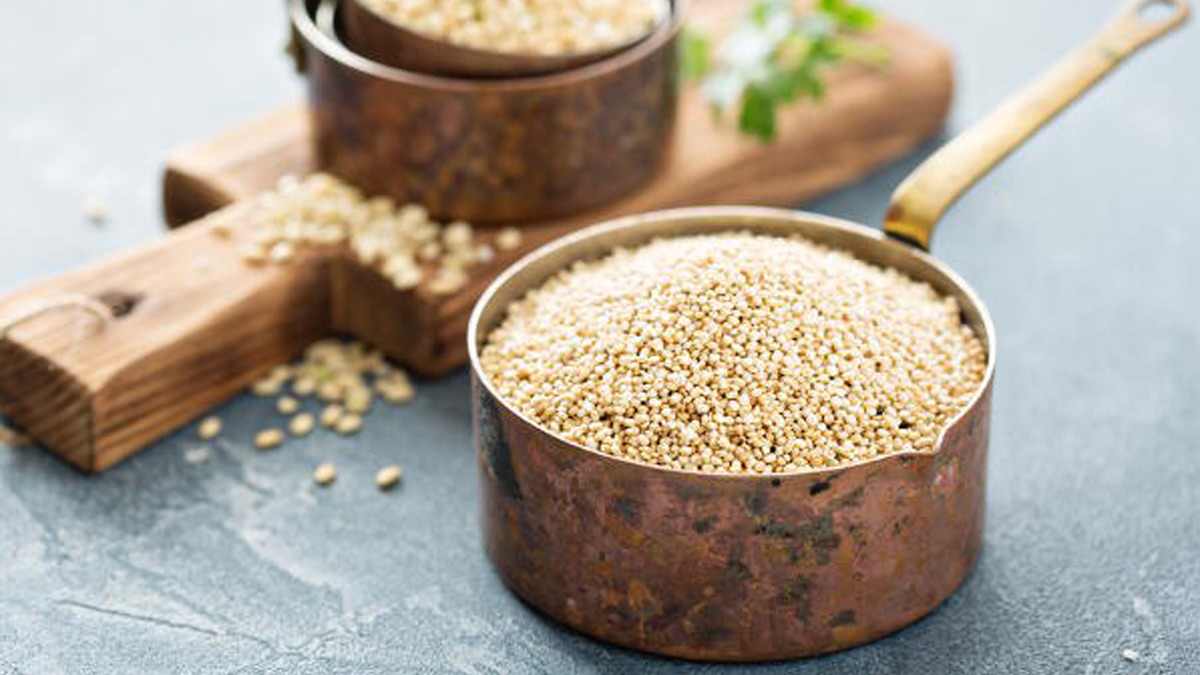
- Do not give up starches and fiber. Replace traditional gluten-containing starches with alternatives such as whole rice, buckwheat, corn, quinoa, legumes, or potatoes. Add rice or corn bran, ground flaxseed, or chia seeds to your dishes to compensate for the potential loss of fiber.
A gluten-free diet is unlikely to cause deficiencies, as gluten is not an essential substance for health.
Keywords




1 Days
Recommended: "Eye Pressure"
(Eye Pressure pills) Highly recommended for glaucoma patients
LM
2 Days
Great follow-up
Great follow-up
Michael Henderson
6 Days
My hair isn't gray.
My hair isn't gray.
TANQUARY Damon
6 Days
The ease of ordering is not the only …
The ease of ordering is not the only reason why I trust Super Smart Supplements. This company researches everything they sell. Educating Me with a wealth knowledge to make Better Supplement choices. The paractin Andrographis is awesome! I noticed less Knee, shoulder or joint pain. Which proves to me, you're never too old to repair what a lifetime of intense usage has done to your body. I recommend SUPER SMART to anyone who is looking to improve their overall health & maintain an active ,pain free life as You age.
Mchael Montalbano
9 Days
Quick shipping and very good quality
Quick shipping and very good quality. I’ve bought from them for the last six months
Monig
12 Days
love the quality of the supplements!
love the quality of the supplements!
Tatiana
14 Days
Came quickly
Came quickly
Courtney Everson
14 Days
Feels great on my skin
I have only used the SuperSmart NAD face cream for a couple of weeks. So I can’t say it transformed my skin yet. However, it absorbs nicely. Is not oily or caused any acne. It feels wonderful in my routine which means I will consistently use every day! I’ve already researched the ingredients so I’m confident it will help clear the zombie cells and keep my skin looking fresh. I’m pleasantly surprised and will repurchase!
Moto
17 Days
Excellent quality
Excellent quality, I can usually tell the difference when I get other cheaper brands that are not as good. Supersmart is my first choice
MMA TUBE
20 Days
Like the product
Like the product. The bottle design is too bland.
JENKINS Rose
26 Days
Super easy and great communication
Super easy and great communication
Greg Maurer
30 Days
Cured my blood sugar issues with correct diet and almost no sugar.
Ordering was very easy and it was here within a day or two. But the best thing of all is that it fixed my blood sugar problems. I was sweating throughout the night. I had almost completely stopped sugar , which definitely helped, but I was still having sweats and this product here solved that problem. It took me years to figure it this out. I hope this helps somebody.
Rickey Matlock
34 Days
I was impressed by the patience of the representative who helped me!
I was having a very hard time trying to set up my account with them and they were very helpful and patient to get it done for me! And I was impressed by all the information they provided about the product I was purchasing!
Rebecca M.
34 Days
Super Smart Choices
I have been a customer for a few years.I have learned many things about the supplements Super smart sells. It helps me make better choices from their vast inventory of supplements. The prices are reasonable, with frequent sales. Also, website is user friendly & I receive my products in just a few days. Great company !!!
Mchael Montalbano
35 Days
Very fair price and free shipping
Very fair price and free shipping. Arrived in a timely manner.
FLORES Jorge