
Low energy in summer: 5 natural ways to get back in shape!
Heat, disrupted routines, disturbed sleep... Summer fatigue is a common phenomenon. Why do we experience this drop in energy in summer? Discover 5 natural solutions to regain your vitality.


Why do we feel a drop in energy in summer?
The drop in energy in summer is caused by a variety of factors. It should be seen as a consequence of the body adapting to the heat, which requires it to mobilise more resources to maintain a stable body temperature. Added to this are nights that are sometimes shorter or more fragmented, or changes in diet.
To combat summer fatigue, you therefore need to take action on several fronts:
- rehydrate and replenish electrolytes lost through sweating;
- support cellular energy production to help the body cope with the heat;
- avoid snacking and fluctuations in blood sugar levels, which cause bouts of fatigue;
- maintain restful sleep despite summer disruptions;
- help the body adapt better to the physiological stress caused by the heat.
Let’s now take a look at the 5 key natural approaches to improving the body’s resilience during the summer months and getting back into shape.
5 natural ways to boost your energy in summer
Maintain good hydration and electrolyte balance
Hydration plays a central role in maintaining energy levels (1). In summer, sweating increases to allow the body to release heat and maintain a stable body temperature. However, this ingenious thermoregulatory mechanism comes at the cost of significant losses of water and minerals.
When the body becomes dehydrated, the effects are quickly felt: reduced concentration, decreased physical performance, a feeling of exhaustion (2)...
To prevent dehydration, several practical steps can be taken:
- drink regularly throughout the day, without waiting until you feel thirsty;
- eat foods with a high water content, such as cucumber, watermelon, tomatoes or melon;
- opt for a diet naturally rich in minerals.
Electrolytes — sodium, potassium and magnesium — play a pivotal role in fluid balance, nerve transmission and muscle function (3). Excessive loss through sweating can lead to fatigue, muscle cramps and/or slower recovery. Supplementation may sometimes be advisable in cases of extreme heat, intense physical activity or excessive sweating.
 Discover Hydration Electrolytes Formula, a powdered drink mix providing electrolytes, suitable for periods of heat or sustained physical activity.
Particular emphasis should be placed on the importance of magnesium, a mineral that helps reduce fatigue and supports normal muscle function (4). Here too, supplementation can be used to optimise intake.
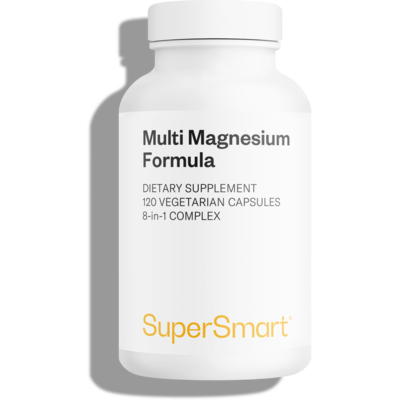
Multi Magnesium Formula combines 8 highly absorbable forms of magnesium.
Supporting cellular energy production
Our energy levels depend directly on how our cells function, and more specifically on the mitochondria. These tiny, built-in cellular ‘powerhouses’ produce ATP (adenosine triphosphate), the body’s main source of energy (5).
However, in summer, our energy requirements increase. The heat forces the body to draw on its resources to maintain its internal balance (cardiovascular adaptation, sweating, thermal regulation, etc.). The problem is that when cellular energy production becomes less efficient, a feeling of fatigue may set in.
Energy metabolism relies on numerous enzymatic cofactors, including the B vitamins. Vitamins B2, B3, B5, B6, B9 and B12 contribute in particular to normal energy metabolism and help reduce fatigue (6). They play a role in converting macronutrients (carbohydrates, fats and proteins) into energy.
Coenzymated B Vitamins combines all the B vitamins into a single formula.
Environmental factors can also increase oxidative stress, i.e. the imbalance between the production of free radicals and the body’s antioxidant defences. When this becomes excessive, it can affect the mitochondria and thus contribute to fatigue.
To limit this phenomenon, the key is to increase your intake of antioxidants. Vitamin C, which helps protect cells from oxidative stress and supports the normal functioning of the immune system, is one such antioxidant (7).
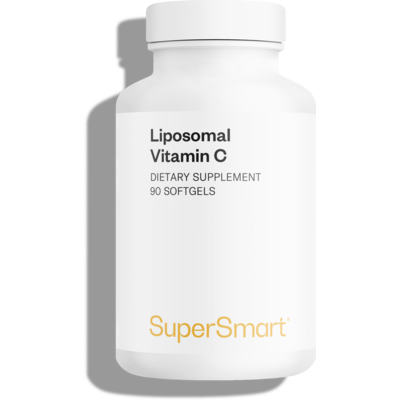
Encapsulated in lipid vesicles, the vitamin C in Liposomal Vitamin C benefits from unrivalled absorption.
Glutathione, meanwhile, is our most powerful endogenous antioxidant (synthesised naturally by the body) (8).
Liposomal Glutathione combines glutathione with vitamin C for optimal antioxidant effects.
Adjusting your diet to avoid fatigue
Lighter, irregular or unbalanced meals, drinks with friends, a tendency to snack... Summer changes our eating habits, often leading to significant fluctuations in blood sugar levels that directly affect our energy levels.
Indeed, a high intake of fast-acting sugars leads to a significant rise in blood sugar levels (‘blood sugar spike’). This drops sharply a few hours later (‘reactive hypoglycaemia’) and can cause energy slumps, a loss of concentration or even cravings (9).
To maintain stable energy levels, it is important to maintain a balance between the different macronutrients and to follow a few simple principles to ‘stabilise’ your blood sugar levels:
- avoid excessive amounts of fast-acting sugars and very sugary snacks;
- choose foods with a moderate glycaemic index;
- combine carbohydrates with fibre, protein and fat in meals to slow down their absorption (10-11).
As for supplements, berberine is attracting growing interest for its role in glucose metabolism and blood sugar regulation (12).
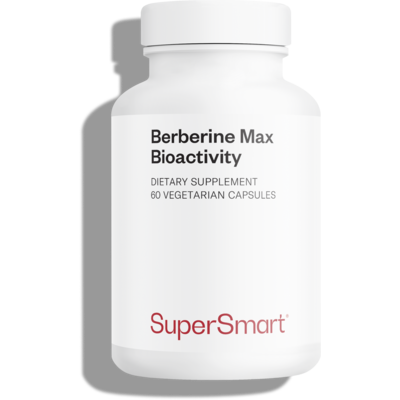
Extracted from Indian barberry, Berberine Max Bioactivity is 10 times more bioavailable than standard berberine.
Maintaining sleep quality despite the heat
Sleep plays a crucial role in physical, nervous and metabolic recovery. However, in summer, nights are often shorter or less restorative, mainly due to the heat, light or irregular sleep patterns. A deficit that builds up... and takes its toll during the day in the form of low energy, which can affect alertness, cognitive function or even mood.
In summer, the problem lies in thermoregulation. To fall asleep, our body naturally needs to lower its temperature slightly (13). But when we sleep in a sweltering room, this mechanism is hindered, delaying the onset of sleep (and impairing overall sleep quality). Added to this are disruptions to the circadian rhythm, also known as our ‘internal clock’, which is exposed to more light in the evening – whether from screens or the sun that is slow to set (14).
To improve sleep quality during the summer, it is a good idea to take several steps:
- keep your bedroom cool and well-ventilated;
- maintain relatively regular sleep schedules where possible;
- adopt an evening routine that promotes relaxation.
In the event of persistent sleep disturbances, it is possible to turn to natural solutions, seeking advice from a healthcare professional if necessary.
Produced by the pineal gland in the brain in response to reduced light levels, melatonin acts as a sort of ‘metronome’ for the sleep-wake cycle. It is recognised that an external supply of melatonin helps reduce the time taken to fall asleep (15).
Available in Melatonin 1 mg.
Formulas combining plants and nutrients also help restore peaceful nights. Examples include valerian and hops, which contribute to good sleep, or California poppy, which promotes relaxation and mental health and helps combat insomnia (16-17).
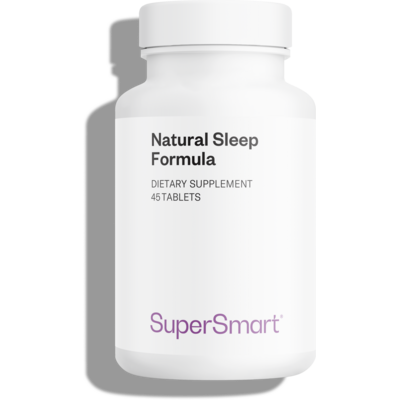
All these extracts are included in Natural Sleep Formula, which also contains the adaptogen Rhodiola and tryptophan, a precursor to melatonin.
Are your nights patchy? Some formulations focus more on maintaining uninterrupted sleep and better night-time recovery. The PeptiSleep™ complex, a brown rice protein hydrolysate, has been clinically tested for its ability to restore better sleep architecture.
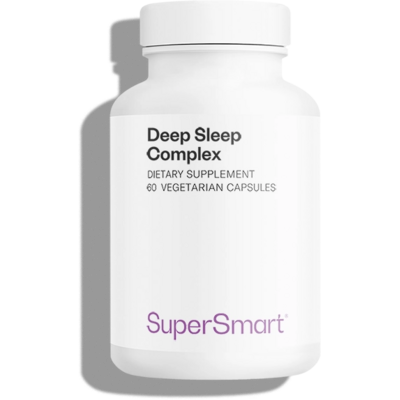
It is at the heart of the Deep Sleep Complex, which is entirely dedicated to addressing night-time awakenings.
Helping the body adapt better to heat and stress
Heat places significant physiological stress on the body. As temperatures rise, the body must constantly activate adaptive mechanisms (thermoregulation, sweating, increased cutaneous blood flow, etc.) to maintain its equilibrium. This constant strain, combined with often more intense physical and social activity, largely explains that feeling of exhaustion.
A few simple habits can help the body cope better with these stresses:
- avoid physical exertion during the hottest hours of the day;
- allow for sufficient recovery periods;
- adapt your pace and activities to the weather conditions.
In terms of natural remedies, so-called adaptogenic plants are traditionally used to improve resistance to stress, whether physiological or psychological. Among these, rhodiola helps to support strength and physical condition, with notable beneficial effects on fatigue and the cardiovascular system (18).
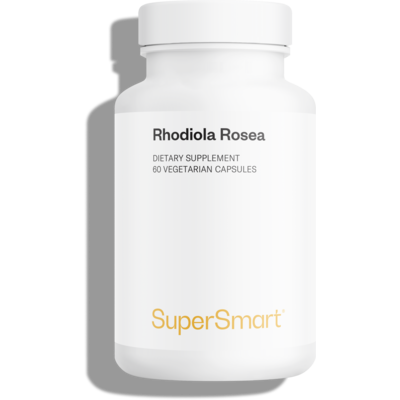
Rhodiola rosea has a high content of rosavin and salidroside, its two active compounds.
Adaptix combines the adaptogenic plants most extensively studied by the scientific community: rhodiola, astragalus, schisandra berries, ashwagandha...
Long used in Chinese medicine for its tonic properties, ginseng helps combat fatigue and support vitality, mainly thanks to its ginsenosides (19).
Super Ginseng extract is standardised to 30% ginsenosides for maximum efficacy.
SUPERSMART ADVICE
References
- Popkin BM, D'Anci KE, Rosenberg IH. Water, hydration, and health. Nutr Rev. 2010 Aug;68(8):439-58. doi: 10.1111/j.1753-4887.2010.00304.x. PMID: 20646222; PMCID: PMC2908954.
- Taylor K, Tripathi AK. Adult Dehydration. [Updated 2025 Mar 5]. In: StatPearls [Internet]. Treasure Island (FL): StatPearls Publishing; 2026 Jan-. Available from: https://www.ncbi.nlm.nih.gov/books/NBK555956/
- National Research Council (US) Subcommittee on the Tenth Edition of the Recommended Dietary Allowances. Recommended Dietary Allowances: 10th Edition. Washington (DC): National Academies Press (US); 1989. 11, Water and Electrolytes. Available from: https://www.ncbi.nlm.nih.gov/books/NBK234935/
- Schuster J, Cycelskij I, Lopresti A, Hahn A. Magnesium Bisglycinate Supplementation in Healthy Adults Reporting Poor Sleep: A Randomized, Placebo-Controlled Trial. Nat Sci Sleep. 2025 Aug 30;17:2027-2040. doi: 10.2147/NSS.S524348. PMID: 40918053; PMCID: PMC12412596.
- Dunn J, Grider MH. Physiology, Adenosine Triphosphate. [Updated 2023 Feb 13]. In: StatPearls [Internet]. Treasure Island (FL): StatPearls Publishing; 2026 Jan-. Available from: https://www.ncbi.nlm.nih.gov/sites/books/NBK553175/
- Lee MC, Hsu YJ, Shen SY, Ho CS, Huang CC. A functional evaluation of anti-fatigue and exercise performance improvement following vitamin B complex supplementation in healthy humans, a randomized double-blind trial. Int J Med Sci. 2023 Aug 15;20(10):1272-1281. doi: 10.7150/ijms.86738. PMID: 37786445; PMCID: PMC10542023.
- Cheraskin E, Ringsdorf WM Jr, Medford FH. Daily vitamin C consumption and fatigability. J Am Geriatr Soc. 1976 Mar;24(3):136-7. doi: 10.1111/j.1532-5415.1976.tb04284.x. PMID: 765389.
- Aoi W, Ogaya Y, Takami M, Konishi T, Sauchi Y, Park EY, Wada S, Sato K, Higashi A. Glutathione supplementation suppresses muscle fatigue induced by prolonged exercise via improved aerobic metabolism. J Int Soc Sports Nutr. 2015 Feb 6;12:7. doi: 10.1186/s12970-015-0067-x. PMID: 25685110; PMCID: PMC4328900.
- Altuntaş Y. Postprandial Reactive Hypoglycemia. Sisli Etfal Hastan Tip Bul. 2019 Aug 28;53(3):215-220. doi: 10.14744/SEMB.2019.59455. PMID: 32377086; PMCID: PMC7192270.
- Dugardin C, Fleury L, Touche V, Ahdach F, Lesage J, Tenenbaum M, Everaert N, Briand O, Lestavel S, Ravallec R, Cudennec B. An Exploratory Study of the Role of Dietary Proteins in the Regulation of Intestinal Glucose Absorption. Front Nutr. 2022 Jan 19;8:769773. doi: 10.3389/fnut.2021.769773. PMID: 35127780; PMCID: PMC8808719.
- Giuntini EB, Sardá FAH, de Menezes EW. The Effects of Soluble Dietary Fibers on Glycemic Response: An Overview and Futures Perspectives. Foods. 2022 Dec 6;11(23):3934. doi: 10.3390/foods11233934. PMID: 36496742; PMCID: PMC9736284.
- Nazari A, Ghotbabadi ZR, Kazemi KS, Metghalchi Y, Tavakoli R, Rahimabadi RZ, Ghaheri M. The Effect of Berberine Supplementation on Glycemic Control and Inflammatory Biomarkers in Metabolic Disorders: An Umbrella Meta-analysis of Randomized Controlled Trials. Clin Ther. 2024 Feb;46(2):e64-e72. doi: 10.1016/j.clinthera.2023.10.019. Epub 2023 Nov 27. PMID: 38016844.
- Harding EC, Franks NP, Wisden W. Sleep and thermoregulation. Curr Opin Physiol. 2020 Jun;15:7-13. doi: 10.1016/j.cophys.2019.11.008. PMID: 32617439; PMCID: PMC7323637.
- Vondrasová D, Hájek I, Illnerová H. Exposure to long summer days affects the human melatonin and cortisol rhythms. Brain Res. 1997 Jun 6;759(1):166-70. doi: 10.1016/s0006-8993(97)00358-2. PMID: 9219878.
- Fatemeh G, Sajjad M, Niloufar R, Neda S, Leila S, Khadijeh M. Effect of melatonin supplementation on sleep quality: a systematic review and meta-analysis of randomized controlled trials. J Neurol. 2022 Jan;269(1):205-216. doi: 10.1007/s00415-020-10381-w. Epub 2021 Jan 8. PMID: 33417003.
- Database of Abstracts of Reviews of Effects (DARE): Quality-assessed Reviews [Internet]. York (UK): Centre for Reviews and Dissemination (UK); 1995-. Treating primary insomnia: the efficacy of valerian and hops. 2010. Available from: https://www.ncbi.nlm.nih.gov/books/NBK79967/
- Kalyniukova A, Ahmed S, Ak G, Saka E, Duran T, Abul N, Gulcin I, Senkardes I, Cetiz MV, Zengin G. Comprehensive Metabolomic Profiling and Biological Activity Analysis of Eschscholzia californica Extracts Using LC-ESI-QTOF-MS. Food Sci Nutr. 2025 Sep 2;13(9):e70885. doi: 10.1002/fsn3.70885. PMID: 40909255; PMCID: PMC12405063.
- Lekomtseva Y, Zhukova I, Wacker A. Rhodiola rosea in Subjects with Prolonged or Chronic Fatigue Symptoms: Results of an Open-Label Clinical Trial. Complement Med Res. 2017;24(1):46-52. doi: 10.1159/000457918. Epub 2017 Feb 17. PMID: 28219059.
- Bach HV, Kim J, Myung SK, Cho YA. Efficacy of Ginseng Supplements on Fatigue and Physical Performance: a Meta-analysis. J Korean Med Sci. 2016 Dec;31(12):1879-1886. doi: 10.3346/jkms.2016.31.12.1879. PMID: 27822924; PMCID: PMC5102849.
Keywords





2 Days
What luck to come across such a clean…
What luck to come across such a clean brand! No bad ingredients in these and a reasonable price for what we're getting.
Bindi S
3 Days
The best supplement for…
The best supplement for hyperpigmentation or melasma. I have struggled with melasma and hyperpigmentation for 10 years. I have tried everything, including lasers. Nothing really worked except this!
NS
5 Days
Great source for high quality…
Great source for high quality supplements
Vikki L
7 Days
Recommended: "Eye Pressure"
(Eye Pressure pills) Highly recommended for glaucoma patients
LM
9 Days
Great follow-up
Great follow-up
Michael Henderson
13 Days
My hair isn't gray.
My hair isn't gray.
TANQUARY Damon
13 Days
The ease of ordering is not the only …
The ease of ordering is not the only reason why I trust Super Smart Supplements. This company researches everything they sell. Educating Me with a wealth knowledge to make Better Supplement choices. The paractin Andrographis is awesome! I noticed less Knee, shoulder or joint pain. Which proves to me, you're never too old to repair what a lifetime of intense usage has done to your body. I recommend SUPER SMART to anyone who is looking to improve their overall health & maintain an active ,pain free life as You age.
Mchael Montalbano
16 Days
Quick shipping and very good quality
Quick shipping and very good quality. I’ve bought from them for the last six months
Monig
19 Days
love the quality of the supplements!
love the quality of the supplements!
Tatiana
21 Days
Came quickly
Came quickly
Courtney Everson
21 Days
Feels great on my skin
I have only used the SuperSmart NAD face cream for a couple of weeks. So I can’t say it transformed my skin yet. However, it absorbs nicely. Is not oily or caused any acne. It feels wonderful in my routine which means I will consistently use every day! I’ve already researched the ingredients so I’m confident it will help clear the zombie cells and keep my skin looking fresh. I’m pleasantly surprised and will repurchase!
Moto
24 Days
Excellent quality
Excellent quality, I can usually tell the difference when I get other cheaper brands that are not as good. Supersmart is my first choice
MMA TUBE
27 Days
Like the product
Like the product. The bottle design is too bland.
JENKINS Rose
33 Days
Super easy and great communication
Super easy and great communication
Greg Maurer
37 Days
Cured my blood sugar issues with correct diet and almost no sugar.
Ordering was very easy and it was here within a day or two. But the best thing of all is that it fixed my blood sugar problems. I was sweating throughout the night. I had almost completely stopped sugar , which definitely helped, but I was still having sweats and this product here solved that problem. It took me years to figure it this out. I hope this helps somebody.
Rickey Matlock