
Nutrition and exercise: a study reveals their synergistic effects on the brain
Brain health is often associated with intellectual stimulation. However, research shows that diet and physical activity also influence the brain, acting on shared mechanisms that are still being actively studied.


Diet and physical activity: a potential synergy for brain health
The brain is sensitive to several lifestyle factors, such as diet and physical activity.
These two factors influence certain shared mechanisms involved in brain health, notably low-grade inflammation, the gut-brain axis, and the regulation of factors linked to brain plasticity, including BDNF.
However, they do not act in the same way:
- Diet provides nutrients and bioactive compounds (omega-3, polyphenols, fibre), which interact with various systems in the body.
- Physical activity, on the other hand, influences metabolism, blood circulation and certain signals involved in brain function.
A recent study highlights that combining the two could have a complementary effect on these mechanisms (1).
Together, a balanced diet and regular physical activity could thus help create an environment conducive to cognitive function and brain plasticity.
Nutrition and exercise: what links exist with cognitive function and neuroplasticity
This interaction is based on several biological mechanisms, at the intersection of nutrition, physical activity and brain function.
The gut microbiota, at the heart of the interaction between diet and physical activity
The gut microbiota refers to the collection of microorganisms that naturally inhabit our gut.
It plays an important role in many bodily functions, including communication with the brain. This system of interaction between the digestive and nervous systems is known as the gut-brain axis.
Diet is one of the main factors influencing the balance of the microbiota:
- Dietary fibre, found in vegetables, pulses and whole grains, serves as ‘food’ for gut bacteria and contributes to their diversity.
- Polyphenols, found for example in red berries, cocoa and green tea, can also influence the composition of the microbiota.
- Fermented foods, such as yoghurt or sauerkraut, provide microorganisms that interact with the microbiota already present.
Physical activity also appears to be associated with a more diverse microbiota. Several studies suggest that regular exercise may help maintain a favourable microbial balance (2–4).
The microbiota also produces various substances capable of interacting with the body via immune, nervous or hormonal pathways. These mechanisms are thought to play a role in the gut-brain axis.
A varied diet, rich in plant-based foods and fibre, combined with regular physical activity, thus provides a sound foundation for supporting the balance of the microbiota.
Probiotic supplementation is also an option: when taken in adequate amounts, these live microorganisms can influence the balance of the gut microbiota.
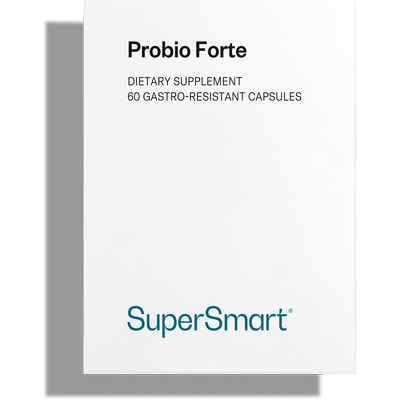
 Discover Probio Forte, a multi-strain probiotic developed using a process that preserves the viability of the microorganisms right up to the gut.
Microbiota metabolites: a functional link with the brain
The gut microbiota does more than just reside in the gut: it also produces various substances during the fermentation of dietary fibre.
These include short-chain fatty acids (SCFAs), such as butyrate, acetate and propionate.
These compounds are being studied for their role in gut balance. In particular, they help maintain the integrity of the intestinal barrier and regulate certain immune responses, thereby helping to limit low-grade inflammation.
However, this inflammatory context can influence several parameters related to brain health. SCFAs may also play a role in communication between the gut and the brain via the gut-brain axis (5-6).
Diet plays a key role here: it is fermentable fibre that serves as ‘fuel’ for gut bacteria to produce these metabolites.
These are found in particular in garlic, onions, leeks, oats and bananas.
Adopting a diet rich in plant-based fibre is therefore an important way to support these mechanisms.
A prebiotic fibre supplement may also be considered to complement the diet.
Some supplements also contain short-chain fatty acids, such as butyrate, which has been studied for its role in gut balance.
Discover Butyrate Max Bioactivity, a dietary supplement containing microencapsulated butyrate.
Physical activity and BDNF stimulation
Physical activity influences several mechanisms involved in brain function, including BDNF (Brain-Derived Neurotrophic Factor).
This protein contributes to brain plasticity, i.e. the brain’s ability to adapt, create new connections between neurons and support certain processes related to memory and learning.
Several studies show that regular physical activity, particularly endurance exercise (brisk walking, cycling or swimming), may be associated with an increase in BDNF (7). Strength training may also contribute to this effect, via various adaptations in the body.
These mechanisms may explain why exercise is often associated with improved performance in certain cognitive functions, such as attention or memory (8).
And the intensity does not necessarily need to be high: moderate but regular exercise already appears to be associated with measurable effects in several studies.
Certain nutrients are also being studied for their role in brain function: DHA, an omega-3 fatty acid, for example, helps maintain normal brain function.
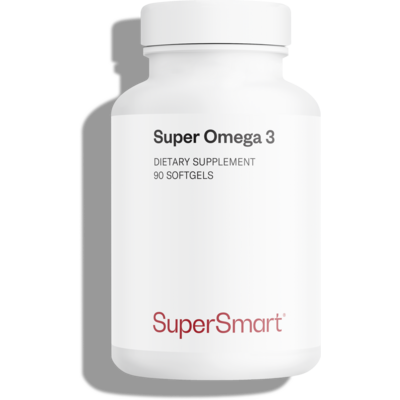
Discover Super Omega 3, a formula providing EPA and DHA fatty acids in their natural form.
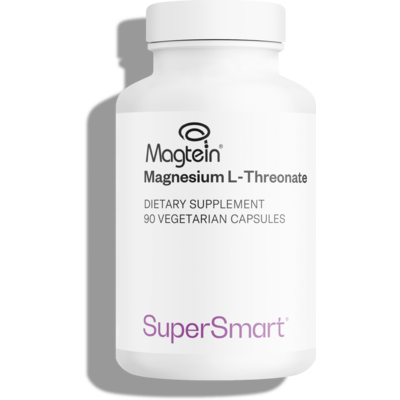
Magnesium, meanwhile, contributes to the normal functioning of the nervous system: certain forms, such as magnesium L-threonate, are being researched for their interaction with brain functions (9).
Discover Magnesium L-Threonate, a specific form of magnesium studied for its interaction with neural functions.
Combining regular physical activity with appropriate nutritional intake is therefore a coherent strategy for supporting the mechanisms involved in brain plasticity.
Low-grade inflammation and neuroinflammation: a common mechanism
Low-grade inflammation refers to a subtle but persistent inflammatory state in the body.
When it persists over time, it can affect various biological systems, including the brain: this is referred to as neuroinflammation.
Diet and physical activity appear to be two complementary levers that can influence this inflammatory balance.
Certain nutrients, such as omega-3 fatty acids or polyphenols, are being studied for their interaction with mechanisms involved in the inflammatory response.
Polyphenols found in red berries, green tea or certain spices, such as turmeric, are in particular the subject of extensive research for their role in mechanisms linked to oxidative stress (10).
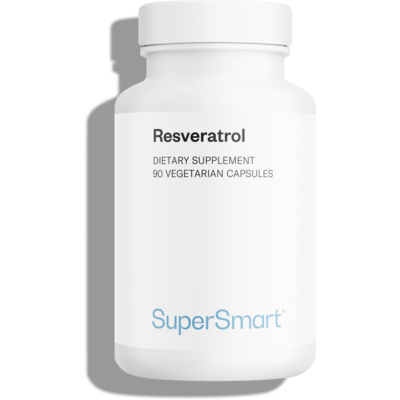
Discover Resveratrol, a polyphenol found particularly in grapes and studied for its interactions with certain cellular pathways.
Regular physical activity is also associated with a modulation of certain inflammatory markers, particularly when practised moderately and consistently (11).
Combined with physical exercise, a varied diet rich in minimally processed and plant-based foods (whilst limiting ultra-processed products and excess sugars) provides a favourable framework for supporting brain health.
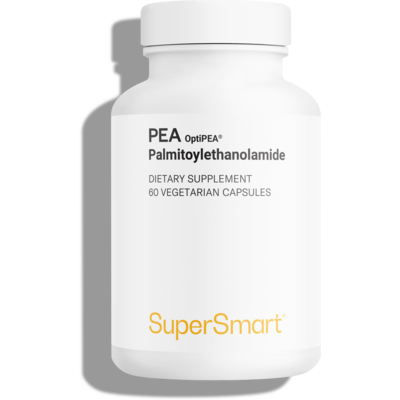
Finally, certain compounds are being researched for their interaction with pathways involved in inflammatory signalling, such as palmitoylethanolamide, a bioactive lipid (12-13).
Discover PEA, a palmitoylethanolamide dietary supplement studied for its potential interaction with certain mechanisms involved in the inflammatory response.
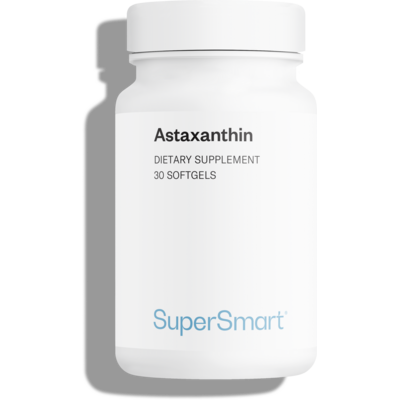
Antioxidant carotenoids, such as astaxanthin, are being studied for their ability to interact with cell membranes, including those in the nervous system.
Discover Astaxanthin 4 mg, a naturally occurring carotenoid extracted from the algae Haemotococcus pluvialis.
Nutrients directly involved in the structure of neurons
Beyond mechanisms linked to the microbiota, inflammation or BDNF, certain nutrients are being studied for their more direct role in the structure of nerve cells.
Among them are phospholipids. These compounds are major components of cell membranes, particularly in neurons. These membranes play an essential role in communication between brain cells.
Phosphatidylserine, a phospholipid naturally present in the body, is particularly concentrated in the membranes of nerve cells.
It is being studied for its role in neuronal function and in certain processes related to memory and cognition.
As part of a holistic nutritional approach, the intake of certain phospholipids may therefore be considered to contribute to the balance of neuronal membranes.
Discover PS 100, a dietary supplement containing phosphatidylserine, a lipid component of brain cell membranes.
SUPERSMART’S ADVICE
References
- Esmaeilzadeh M, Moradikor N. Nutrition & exercise for brain health: Enhancing cognitive function and neuroplasticity. Adv Clin Exp Med. 2025 Sep;34(9):1419-1423. doi: 10.17219/acem/208533. PMID: 40905054.
- Li Q, Chen L, Wang R. Exercise reshapes gut microbiota to ameliorate core symptoms in PCOS: molecular mechanisms and therapeutic implications. Front Endocrinol (Lausanne). 2025 Oct 29;16:1652731. doi: 10.3389/fendo.2025.1652731. PMID: 41234235; PMCID: PMC12605003.
- Lin W, Pu L, Qian X, Pan J, Cheng R, Sun P. Exercise-induced modulation of gut microbiota in individuals with obesity and type 2 diabetes: a systematic review and meta-analysis. Front Microbiol. 2025 Sep 24;16:1671975. doi: 10.3389/fmicb.2025.1671975. PMID: 41070132; PMCID: PMC12504204.
- Zhang L, Liu R, Song Z, Zhang X. Exercise, Diet, and Brain Health: From the Perspective of Gut Microbiota Regulation. Nutrients. 2025 May 15;17(10):1686. doi: 10.3390/nu17101686. PMID: 40431427; PMCID: PMC12539670.
- Cao Q, Shen M, Li R, Liu Y, Zeng Z, Zhou J, Niu D, Zhang Q, Wang R, Yao J, Zhang G. Elucidating the specific mechanisms of the gut-brain axis: the short-chain fatty acids-microglia pathway. J Neuroinflammation. 2025 May 21;22(1):133. doi: 10.1186/s12974-025-03454-y. PMID: 40400035; PMCID: PMC12093714.
- Bertin L, Bonazzi E, Facchin S, Lorenzon G, Maniero D, DE Barba C, Tomasulo A, Fortuna A, Zingone F, Barberio B, Savarino EV. The microbiota-brain connection in neurological diseases: the ubiquitous short-chain fatty acids. Minerva Gastroenterol (Torino). 2025 Sep;71(3):239-267. doi: 10.23736/S2724-5985.25.03866-5. Epub 2025 Sep 2. PMID: 40891897.
- Tutakhail A, Diarra F, Coudoré F, Mendez-David I, David DJ. Harnessing exercise for brain health: BDNF, neuroplasticity & well-being. Encephale. 2026 Apr;52(2):187-196. doi: 10.1016/j.encep.2025.08.006. Epub 2025 Nov 7. PMID: 41206250.
- Singh B, Bennett H, Miatke A, Dumuid D, Curtis R, Ferguson T, Brinsley J, Szeto K, Petersen JM, Gough C, Eglitis E, Simpson CE, Ekegren CL, Smith AE, Erickson KI, Maher C. Effectiveness of exercise for improving cognition, memory and executive function: a systematic umbrella review and meta-meta-analysis. Br J Sports Med. 2025 Jun 3;59(12):866-876. doi: 10.1136/bjsports-2024-108589. PMID: 40049759; PMCID: PMC12229068.
- Lopresti AL, Smith SJ. The effects of magnesium L-threonate (Magtein®) on cognitive performance and sleep quality in adults: a randomised, double-blind, placebo-controlled trial. Front Nutr. 2026 Jan 12;12:1729164. doi: 10.3389/fnut.2025.1729164. PMID: 41601871; PMCID: PMC12832366.
- Kupczyk D, Bilski R, Szeleszczuk Ł, Mądra-Gackowska K, Studzińska R. The Role of Diet in Modulating Inflammation and Oxidative Stress in Rheumatoid Arthritis, Ankylosing Spondylitis, and Psoriatic Arthritis. Nutrients. 2025 May 7;17(9):1603. doi: 10.3390/nu17091603. PMID: 40362911; PMCID: PMC12073256.
- Rubio-Valles M, Ramos-Jimenez A. Effects of Aerobic Exercise on Sleep Quality, Insomnia, and Inflammatory Markers: A Systematic Review and Meta-Analysis. Curr Issues Mol Biol. 2025 Jul 20;47(7):572. doi: 10.3390/cimb47070572. PMID: 40729041; PMCID: PMC12293783.
- Di Stefano V, Steardo L Jr, D'Angelo M, Monaco F, Steardo L. Palmitoylethanolamide: A Multifunctional Molecule for Neuroprotection, Chronic Pain, and Immune Modulation. Biomedicines. 2025 May 22;13(6):1271. doi: 10.3390/biomedicines13061271. PMID: 40563990; PMCID: PMC12189779.
- Wang Y, Duan X, Li Z, Pan Y, Deng J. Palmitoylethanolamide in the Treatment of Pain and Its Clinical Application Prospects. Drug Des Devel Ther. 2025 Aug 13;19:6897-6923. doi: 10.2147/DDDT.S540327. PMID: 40827226; PMCID: PMC12358156.
Keywords





1 Hours
I have been taking ParActin for several years and can really tell the difference
I have been taking ParActin for several years. I started with a combination of ParActin and Turmeric that I purchased at Costco. When they stopped carrying this, I, of course, stopped taking it. I didn't feel as well and searched out ParActin and paired it together with a turmeric/curcumin supplement. I feel better and it helps aches and pains recover quicker.
Linda
21 Hours
Products that work
Products that work
William Hegel
1 Days
Product arrived in a timely fashion and…
Product arrived in a timely fashion and in good condition.
NELSON Jerry
2 Days
Product effectiveness
Quick delivery. Giving product 90 days to see if there are any positive changes. Starting days 31-60
Bob L
6 Days
Easy to order products
Easy to order products
Edward P
10 Days
correct product arrived on time
The product arrived on time and appears to be what I ordered (i do not perform any tests outside of my own experience). I have used this Bacillus Subtills for quite over a year, and I am convinced of it's contribution to my microbiome. The product and business model work well.
Lisa
10 Days
All the supplements are of great…
All the supplements are of great quality and they have almost anything you could need
kirstin Torres
11 Days
Easy to order, fast delivery
Easy to order, fast
Sissy Lawson
14 Days
What luck to come across such a clean…
What luck to come across such a clean brand! No bad ingredients in these and a reasonable price for what we're getting.
Bindi S
16 Days
The best supplement for…
The best supplement for hyperpigmentation or melasma. I have struggled with melasma and hyperpigmentation for 10 years. I have tried everything, including lasers. Nothing really worked except this!
NS
18 Days
Great source for high quality…
Great source for high quality supplements
Vikki L
20 Days
Recommended: "Eye Pressure"
(Eye Pressure pills) Highly recommended for glaucoma patients
LM
21 Days
Great follow-up
Great follow-up
Michael Henderson
25 Days
My hair isn't gray.
My hair isn't gray.
TANQUARY Damon
26 Days
The ease of ordering is not the only …
The ease of ordering is not the only reason why I trust Super Smart Supplements. This company researches everything they sell. Educating Me with a wealth knowledge to make Better Supplement choices. The paractin Andrographis is awesome! I noticed less Knee, shoulder or joint pain. Which proves to me, you're never too old to repair what a lifetime of intense usage has done to your body. I recommend SUPER SMART to anyone who is looking to improve their overall health & maintain an active ,pain free life as You age.
Mchael Montalbano