
This Diet Reduces the Risk of Cognitive Decline by 30%, According to 23 Studies
With an aging population, preserving memory and brain health is a major challenge. A recent meta-analysis combining 23 studies examined a well-known dietary pattern and its potential benefits for cognitive decline.


What does this diet—studied in relation to cognitive decline—entail?
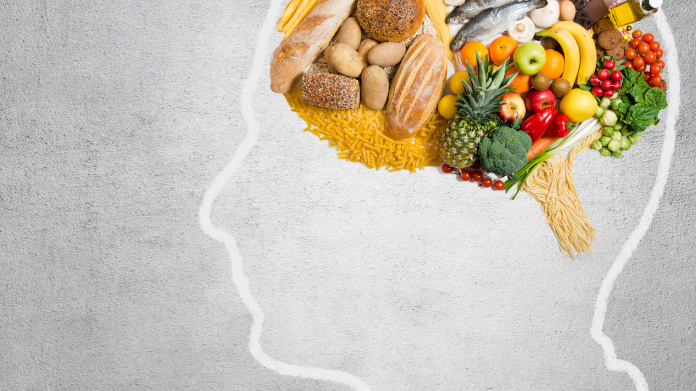
A diet rich in plant-based foods , olive oil, and fish, but low in ultra-processed foods…You’ve probably recognised it: we’re talking about the Mediterranean diet!
Confirming what we’ve believed so far, a recent meta-analysis combining 23 studies (1) shows that this dietary pattern is associated with a reduced risk of several forms of age-related cognitive decline.
In particular, researchers observed a reduced risk of mild cognitive impairment, dementia, and Alzheimer’s disease, as well as an association with more favourable cognitive aging.
Several mechanisms involved in brain health may contribute to these findings.
Why does the Mediterranean diet appear to protect the brain?
A diet rich in compounds associated with brain health
The Mediterranean diet emphasises fruits and vegetables, legumes, nuts, extra-virgin olive oil, and fish.
These foods provide numerous polyphenols with antioxidant effects, unsaturated fatty acids, fibre, and various vitamins and minerals that contribute to the body’s proper functioning.
Fatty fish, for example, provide omega-3 fatty acids, including DHA, a major component of neuronal membranes (2).
A Potential Impact on Inflammation and Oxidative Stress
Several components of the Mediterranean diet are being studied for their interaction with certain mechanisms involved in cognitive aging.
These include, in particular, oxidative stress and low-grade chronic inflammation—two phenomena being studied for their potential contribution to brain aging and cognitive decline.
By limiting the effects of free radicals responsible for oxidative stress, the antioxidants found in Mediterranean plants are therefore of particular interest in the field of neuroprotection (3).
Preserving cognitive function over time
The benefits observed in the meta-analysis primarily concern the risk of mild cognitive impairment, dementia, Alzheimer’s disease, and, more broadly, age-related cognitive decline.
These results suggest that greater adherence to the Mediterranean diet may be associated with a reduced risk of cognitive decline and certain neurodegenerative diseases.
However, these results primarily highlight statistical associations. They do not allow us to state with certainty that the Mediterranean diet alone is responsible for the observed beneficial effects.
A holistic dietary pattern rather than a miracle food
The benefits of the Mediterranean diet seem to stem primarily from the synergy among its various foods.
The overall quality of the diet, combined with other lifestyle habits, such as regular physical activity, may contribute to the observed benefits.
No single food on its own explains the preservation of memory or cognitive function.
It is the Mediterranean lifestyle as a whole that appears to play a role.
Supplements Inspired by the Pillars of the Mediterranean Diet
Omega-3s, the long-standing pillars of the Mediterranean diet
Fatty fish play a central role in the Mediterranean diet.
They are one of the main dietary sources of long-chain omega-3s, particularly DHA.
DHA contributes to normal brain function because it is present in neuronal membranes (4).
 Discover the Super Omega 3 dietary supplement, which helps increase your intake of EPA and DHA omega-3s.
Resveratrol, the iconic polyphenol found in grapes
Grapes are among the staple foods of Mediterranean countries.
They contain resveratrol, a polyphenol that has been extensively studied for its interaction with certain mechanisms associated with cellular aging and oxidative stress (5).
Discover the Resveratrol dietary supplement, which provides a concentrated source of resveratrol extracted from two plant species: Vitis vinifera and Polygonum cuspidatum.
Olive oil and its polyphenols, hallmarks of the Mediterranean diet
Extra-virgin olive oil is one of the iconic pillars of the Mediterranean diet.
It contains various polyphenols naturally present in the olive tree, such as oleuropein and hydroxytyrosol.
These compounds are the subject of extensive research into their interactions with oxidative stress and certain mechanisms associated with aging (6).
Today, concentrated olive tree extracts draw on this natural richness.
Discover the Olive Leaf Extract dietary supplement, made from olive leaves and featuring an exceptionally high oleuropein content.
Spermidine, a compound naturally found in several Mediterranean foods
Spermidine is a molecule naturally found in certain whole grains, legumes, and fermented foods consumed in Mediterranean countries.
It is also found in all living organisms. However, its levels decline with age.
Today, researchers are particularly interested in its interaction with autophagy, a cellular mechanism studied in the fields of longevity and aging (7).
Discover the Spermidine dietary supplement, which provides 3 mg of spermidine per day—the highest dose available on the market.
Quercetin, one of the most studied flavonoids
Quercetin is a flavonoid found in many plants in the Mediterranean diet, including onions, capers, apples, and certain berries.
It is the subject of extensive research into its interaction with oxidative stress, chronic inflammation, and various mechanisms associated with cellular aging (8).
Discover the Super Quercetin dietary supplement, formulated with patented anhydrous quercetin, which is 170% better absorbed by the body than conventional quercetin.
Apigenin and the Flavonoids of the Mediterranean Diet
Apigenin is another flavonoid naturally found in several Mediterranean plants, including parsley and celery.
Current research is exploring its interaction with certain cellular signalling pathways and various mechanisms related to inflammation and aging (9).
This research aims, in particular, to better understand apigenin’s potential role in maintaining cellular balance during aging.
Discover the dietary supplement Liposomal Apigenin, a form encapsulated in liposomes to enhance its bioavailability.
Formulas combining multiple nutrients and compounds studied for brain health
Formulas combining multiple nutrients involved in brain nutrition
Certain nutritional approaches combine several natural extracts, minerals, amino acids, and other nutrients involved in the normal functioning of the nervous system or studied in this context.
Combining these compounds in a single formula allows for the simultaneous delivery of ingredients with complementary roles, with the aim of helping to maintain essential physiological functions.
Discover the NeuroNutrition Formula dietary supplement, which combines 7 substances studied for their potential to protect the brain against the effects of aging.
Formulas combining multiple compounds studied in the context of brain aging
Other multi-ingredient formulations combine various compounds that are naturally present in the diet or have been studied in the fields of longevity and cognitive aging.
Their goal is to explore and target multiple mechanisms potentially involved in brain aging.
However, while some in vitro experimental data or findings from animal models are encouraging, further research in humans is still needed to better understand their actual impact.
Discover the Neurex™ dietary supplement, which combines high-quality natural extracts (Ginkgo biloba, Bacopa monnieri, Huperzia serrata, Gotu kola, Curcuma longa, Centella asiatica), vitamin B12, and vitamin B9.
SUPERSMART ADVICE
References
- Fekete M, Varga P, Ungvari Z, Fekete JT, Buda A, Szappanos Á, Lehoczki A, Mózes N, Grosso G, Godos J, Menyhart O, Munkácsy G, Tarantini S, Yabluchanskiy A, Ungvari A, Győrffy B. The role of the Mediterranean diet in reducing the risk of cognitive impairement, dementia, and Alzheimer's disease: a meta-analysis. Geroscience. 2025 Jun;47(3):3111-3130. doi: 10.1007/s11357-024-01488-3. Epub 2025 Jan 11. PMID: 39797935; PMCID: PMC12181514.
- Sinclair AJ. Update on Fatty Acids and the Brain. Nutrients. 2024 Dec 23;16(24):4416. doi: 10.3390/nu16244416. PMID: 39771036; PMCID: PMC11678669.
- Fekete M, Jarecsny T, Lehoczki A, Major D, Fazekas-Pongor V, Csípő T, Lipécz Á, Szappanos Á, Pázmándi EM, Varga P, Varga JT. Mediterranean Diet, Polyphenols, and Neuroprotection: Mechanistic Insights into Resveratrol and Oleuropein. Nutrients. 2025 Dec 16;17(24):3929. doi: 10.3390/nu17243929. PMID: 41470875; PMCID: PMC12735559.
- Dyall SC. Long-chain omega-3 fatty acids and the brain: a review of the independent and shared effects of EPA, DPA and DHA. Front Aging Neurosci. 2015 Apr 21;7:52. doi: 10.3389/fnagi.2015.00052. PMID: 25954194; PMCID: PMC4404917.
- Meng T, Xiao D, Muhammed A, Deng J, Chen L, He J. Anti-Inflammatory Action and Mechanisms of Resveratrol. Molecules. 2021 Jan 5;26(1):229. doi: 10.3390/molecules26010229. PMID: 33466247; PMCID: PMC7796143.
- Serreli G, Deiana M. Extra Virgin Olive Oil Polyphenols: Modulation of Cellular Pathways Related to Oxidant Species and Inflammation in Aging. Cells. 2020 Feb 19;9(2):478. doi: 10.3390/cells9020478. PMID: 32093046; PMCID: PMC7072812.
- Ni YQ, Liu YS. New Insights into the Roles and Mechanisms of Spermidine in Aging and Age-Related Diseases. Aging Dis. 2021 Dec 1;12(8):1948-1963. doi: 10.14336/AD.2021.0603. PMID: 34881079; PMCID: PMC8612618.
- Xu D, Hu MJ, Wang YQ, Cui YL. Antioxidant Activities of Quercetin and Its Complexes for Medicinal Application. Molecules. 2019 Mar 21;24(6):1123. doi: 10.3390/molecules24061123. PMID: 30901869; PMCID: PMC6470739.
- Allemailem KS, Almatroudi A, Alharbi HOA, AlSuhaymi N, Alsugoor MH, Aldakheel FM, Khan AA, Rahmani AH. Apigenin: A Bioflavonoid with a Promising Role in Disease Prevention and Treatment. Biomedicines. 2024 Jun 18;12(6):1353. doi: 10.3390/biomedicines12061353. PMID: 38927560; PMCID: PMC11202028.
Keywords




1 Days
Easy to order products
Easy to order products
Edward P
4 Days
correct product arrived on time
The product arrived on time and appears to be what I ordered (i do not perform any tests outside of my own experience). I have used this Bacillus Subtills for quite over a year, and I am convinced of it's contribution to my microbiome. The product and business model work well.
Lisa
5 Days
All the supplements are of great…
All the supplements are of great quality and they have almost anything you could need
kirstin Torres
5 Days
Easy to order, fast delivery
Easy to order, fast
Sissy Lawson
9 Days
What luck to come across such a clean…
What luck to come across such a clean brand! No bad ingredients in these and a reasonable price for what we're getting.
Bindi S
10 Days
The best supplement for…
The best supplement for hyperpigmentation or melasma. I have struggled with melasma and hyperpigmentation for 10 years. I have tried everything, including lasers. Nothing really worked except this!
NS
12 Days
Great source for high quality…
Great source for high quality supplements
Vikki L
14 Days
Recommended: "Eye Pressure"
(Eye Pressure pills) Highly recommended for glaucoma patients
LM
16 Days
Great follow-up
Great follow-up
Michael Henderson
20 Days
My hair isn't gray.
My hair isn't gray.
TANQUARY Damon
20 Days
The ease of ordering is not the only …
The ease of ordering is not the only reason why I trust Super Smart Supplements. This company researches everything they sell. Educating Me with a wealth knowledge to make Better Supplement choices. The paractin Andrographis is awesome! I noticed less Knee, shoulder or joint pain. Which proves to me, you're never too old to repair what a lifetime of intense usage has done to your body. I recommend SUPER SMART to anyone who is looking to improve their overall health & maintain an active ,pain free life as You age.
Mchael Montalbano
23 Days
Quick shipping and very good quality
Quick shipping and very good quality. I’ve bought from them for the last six months
Monig
25 Days
love the quality of the supplements!
love the quality of the supplements!
Tatiana
27 Days
Came quickly
Came quickly
Courtney Everson
28 Days
Feels great on my skin
I have only used the SuperSmart NAD face cream for a couple of weeks. So I can’t say it transformed my skin yet. However, it absorbs nicely. Is not oily or caused any acne. It feels wonderful in my routine which means I will consistently use every day! I’ve already researched the ingredients so I’m confident it will help clear the zombie cells and keep my skin looking fresh. I’m pleasantly surprised and will repurchase!
Moto