
Endometriosis: which supplements should you take?
Both physically and mentally challenging, endometriosis affects 10% of women of child-bearing age. Discover which supplements to take to help you cope better with this condition.

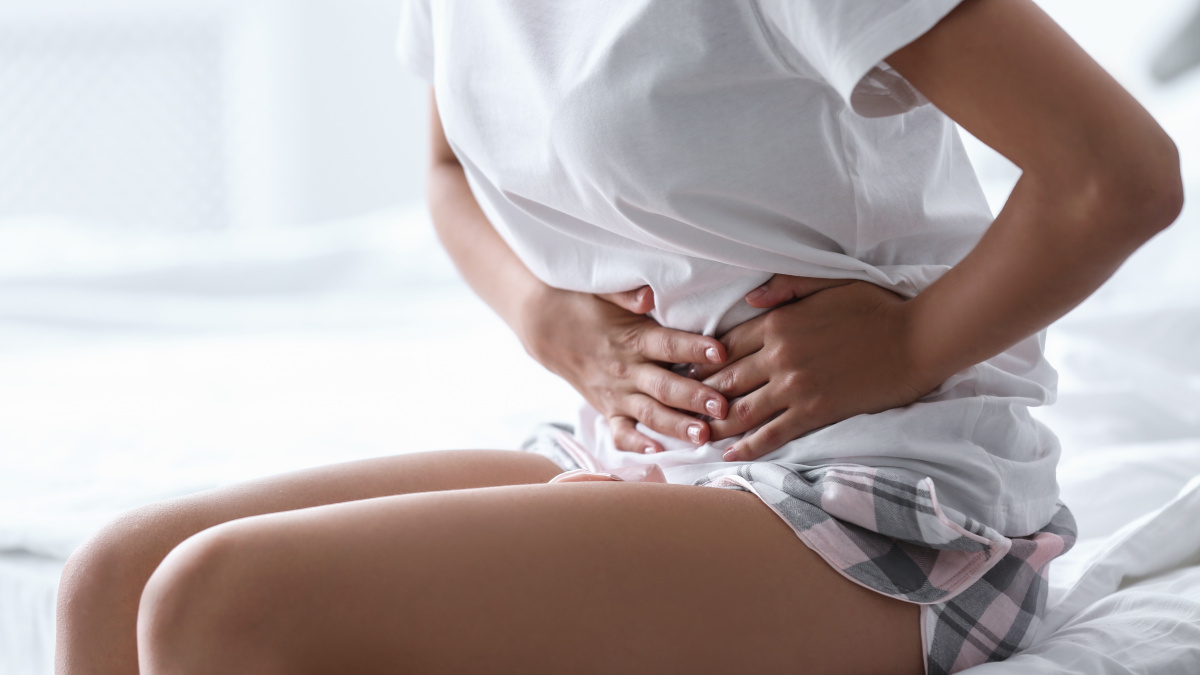
Reminder: what is endometriosis?
Endometriosis is a common gynaecological disorder affecting 1 in 10 women of reproductive age, in which cells similar to the endometrium (the lining of the inside of the uterus) grow outside the uterus. Developing as benign lesions or adhesions (1), they can appear in the fallopian tubes, ovaries or even the bladder and rectum.
Since they’re composed of endometrial tissue, these lesions are subject to hormonal variations. During each menstrual cycle, they will proliferate, bleed and thicken, in much the same way as the lining of the uterus does. It is this which causes the intense pain felt during a period.
For some women, the condition remains asymptomatic, while others suffer the recurrent, acute pelvic pain indicative of the condition, especially during menstruation (2). Over time, this pain may become chronic due to tissue retraction and increasing neurological sensitivity.
Depending on the location of the endometrial tissue, women may also experience dyspareunia (pain during intercourse), difficulty urinating or the frequent urge to urinate, or pain during a bowel movement (3). And between 30% and 50% of women affected by endometriosis experience infertility (4).
What medical treatments are offered to those with endometriosis?
If the patient is symptom-free and experiencing no functional impairment, treatment is usually considered unnecessary. If the reverse is true, there are potentially several therapeutic strategies available.
To reduce pain levels, hormone treatments (combined estrogen and progesterone contraceptive pills, progestogens GnRH analogs…) are one option. In inducing amenorrhea (absence of periods), they usually succeed in stabilising and even shrinking lesions, though they will not eliminate them altogether. Analgesics of varying intensity (paracetamol, NSAIDs, anti-convulsant drugs, anti-depressants …) may also be prescribed depending on pain severity (5).
It’s worth noting that neurostimulation, in which controlled electric impulses are used to block nerve signals transmitted to the brain, are often effective in reducing neuropathic pelvic pain (6).
For women who wish to try for a family or who do not respond to these first-line treatments, surgery may be offered as a last resort. Here, the objective is to remove or destroy the offending lesions (by coagulation or laser vaporisation). However, this is a complex procedure, especially where lesions have spread, and requires thorough assessment of the risk-benefit ratio before proceeding (7).
Endometriosis: can dietary supplements help?
Let’s be clear at the outset: no dietary supplement can treat endometriosis. However, certain substances can complement conventional treatments by providing sufferers with physical or mental support. But before starting any course of supplementation, it’s important to consult a health professional for advice on which products best suit your particular situation.
The natural compounds mentioned most often in the literature include turmeric. This legendary spice from Ayurvedic medicine helps reduce the inflammatory response and has antioxidant properties, benefits mainly due to its high content of curcumin (8). Scientists are currently working to understand its effects both on estrogen production and on the development, adhesion and angiogenesis of endometrial lesions (9-10).
Produced primarily by exposing the skin to sunlight, vitamin D is involved in the process of cell division and normal immune system function (11-12). It’s also been established that the ovaries and endometrium have vitamin D receptors, as well as several enzymes involved in its metabolism. This vitamin may therefore act in an immunological environment specific to the uterine region by mediating, amongst others, the ratio between pro-inflammatory and anti-inflammatory cytokines (13).
A higher intake of omega-3 fatty acids particularly marine-source EPA and DHA, may also offer benefits in compensating for our over-consumption of omega-6. Arachidonic acid, a specific form of omega-6, may act as a substrate for the production of prostaglandins (PGE2) and leukotrienes (LTB4), which potentially play a part in endometriosis-related pelvic pain (14).
Another study has underlined the fact that the fallopian tubes of endometriosis-sufferers are subject to more spasmodic and irregular contractions (15). This could aggravate retrograde menstruation (when menstrual blood flows upwards to the fallopian tubes), an abnormality seen in this disease. What’s more, endometriosis is frequently accompanied by intense mental exhaustion due to the chronic nature of the disease (16). While studies on this subject are lacking, supplementing with magnesium, which plays a role in normal muscle and nervous system function, could well prove beneficial (17-18).
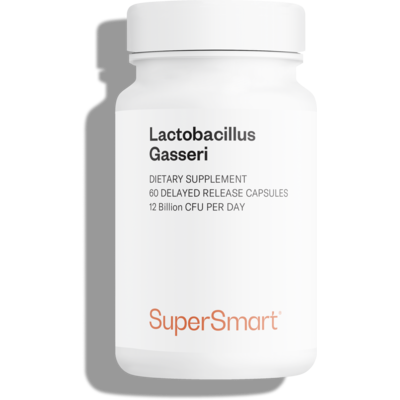
Some forms of endometriosis are accompanied by dysbiosis - an imbalance in gut flora in which harmful bacteria outweigh beneficial ones (19). This can affect the immune system and make it easier for uterine cells to become implanted in areas where they are not normally tolerated. In repopulating the intestinal tract with ‘friendly’ microorganisms, probiotics help maintain balance in the gut microbiota. Specific strains such as Lactobacillus gasseri have been investigated in relation to endometriosis (20).
It’s worth noting that certain plants used for relieving menstrual discomfort, such as chasteberry, are sometimes recommended for endometriosis (21). However they can seriously upset the hormone system by directly affecting prolactin and progesterone levels. They should therefore only be used under medical supervision.
In addition to dietary supplements, there are other complementary and alternative approaches worth exploring. Yoga, sophrology, relaxation, acupuncture and osteopathy are all valuable in helping you to deal with pain better on a daily basis and improve your quality of life (22). The role nutrition can play, specifically an anti-inflammatory diet rich in fruits, vegetables and antioxidants, also merits greater consideration (23).
SuperSmart ADVICE
References
- Tsamantioti ES, Mahdy H. Endometriosis. [Updated 2022 Sep 6]. In: StatPearls [Internet]. Treasure Island (FL): StatPearls Publishing; 2022 Jan-. Available from: https://www.ncbi.nlm.nih.gov/books/NBK567777/
- Alimi Y, Iwanaga J, Loukas M, Tubbs RS. The Clinical Anatomy of Endometriosis: A Review. 2018 Sep 25;10(9):e3361. doi: 10.7759/cureus.3361. PMID: 30510871; PMCID: PMC6257623.
- Parasar P, Ozcan P, Terry KL. Endometriosis: Epidemiology, Diagnosis and Clinical Management. Curr Obstet Gynecol Rep. 2017 Mar;6(1):34-41. doi: 10.1007/s13669-017-0187-1. Epub 2017 Jan 27. PMID: 29276652; PMCID: PMC5737931.
- Smolarz B, Szyłło K, Romanowicz H. Endometriosis: Epidemiology, Classification, Pathogenesis, Treatment and Genetics (Review of Literature). Int J Mol Sci. 2021 Sep 29;22(19):10554. doi: 10.3390/ijms221910554. PMID: 34638893; PMCID: PMC8508982.
- Parasar P, Ozcan P, Terry KL. Endometriosis: Epidemiology, Diagnosis and Clinical Management. Curr Obstet Gynecol Rep. 2017 Mar;6(1):34-41. doi: 10.1007/s13669-017-0187-1. Epub 2017 Jan 27. PMID: 29276652; PMCID: PMC5737931.
- Zhang ZY, Wang J, Fan YL, Wang BY, Zhang WT. Effectiveness of neuromuscular electrical stimulation for endometriosis-related pain: A protocol of systematic review and meta-analysis. Medicine (Baltimore). 2020 Jun 19;99(25):e20483. doi: 10.1097/MD.0000000000020483. PMID: 32569169; PMCID: PMC7310956.
- Zanelotti A, Decherney AH. Surgery and Endometriosis. Clin Obstet Gynecol. 2017 Sep;60(3):477-484. doi: 10.1097/GRF.0000000000000291. PMID: 28742580; PMCID: PMC5635831.
- Hewlings SJ, Kalman DS. Curcumin: A Review of Its Effects on Human Health. 2017 Oct 22;6(10):92. doi: 10.3390/foods6100092. PMID: 29065496; PMCID: PMC5664031.
- Zhang Y, Cao H, Hu YY, et al. Inhibitory effect of curcumin on angiogenesis in ectopic endometrium of rats with experimental endometriosis. Int J Mol Med. 2011 Jan;27(1):87–94.
- Samuel S, Sitrin MD. Vitamin D's role in cell proliferation and differentiation. Nutr Rev. 2008 Oct;66(10 Suppl 2):S116-24. doi: 10.1111/j.1753-4887.2008.00094.x. PMID: 18844838.
- Aranow C. Vitamin D and the immune system. J Investig Med. 2011 Aug;59(6):881-6. doi: 10.2310/JIM.0b013e31821b8755. PMID: 21527855; PMCID: PMC3166406.
- Almassinokiani F, Khodaverdi S, Solaymani-Dodaran M, et al. Effects of Vitamin D on Endometriosis-Related Pain: A Double-Blind Clinical Trial. Med Sci Monit. 2016 Dec 17;22:4960–4966.
- James MJ, Gibson RA, Cleland LG. Dietary polyunsaturated fatty acids and inflammatory mediator production. Am J Clin Nutr. 2000 Jan;(71(1 Suppl)):343s–8s.
- Mathias JR, Franklin R, Quast DC, et al. Relation of endometriosis and neuromuscular disease of the gastrointestinal tract: new insights. Fertil Steril. 1998 Jul;70(1):81–8.
- Ramin-Wright A, Schwartz ASK, Geraedts K, Rauchfuss M, Wölfler MM, Haeberlin F, von Orelli S, Eberhard M, Imthurn B, Imesch P, Fink D, Leeners B. Fatigue - a symptom in endometriosis. Hum Reprod. 2018 Aug 1;33(8):1459-1465. doi: 10.1093/humrep/dey115. PMID: 29947766.
- Harris HR, Chavarro JE, Malspeis S, et al. Dairy-food, calcium, magnesium, and vitamin D intake and endometriosis: a prospective cohort study. Am J Epidemiol. 2013 Mar 1;177(5):420–30.
- Hoşgörler F, Kızıldağ S, Ateş M, et al. The Chronic Use of Magnesium Decreases VEGF Levels in the Uterine Tissue in Rats. Biol Trace Elem Res. 2020 Aug;196(2):545–551.
- Molina NM, Sola-Leyva A, Saez-Lara MJ, et al. New Opportunities for Endometrial Health by Modifying Uterine Microbial Composition: Present or Future?
- Itoh H, Sashihara T, Hosono A, Kaminogawa S, Uchida M. Lactobacillus gasseri OLL2809 inhibits development of ectopic endometrial cell in peritoneal cavity via activation of NK cells in a murine endometriosis model. 2011 Mar;63(2):205-10. doi: 10.1007/s10616-011-9343-z. Epub 2011 Mar 16. PMID: 21409454; PMCID: PMC3080482.
- Bischoff-Kont I, Brabenec L, Ingelfinger R, Nausch B, Fürst R. BNO 1095, a Standardized Dry Extract from the Fruits of Vitex agnus-castus, Impairs Angiogenesis-related Endothelial Cell Functions In Vitro. Planta Med. 2021 Jul;87(8):611-619. doi: 10.1055/a-1351-1038. Epub 2021 Feb 2. PMID: 33530113; PMCID: PMC8277439.
- Ravins I, Joseph G, Tene L. The Effect of Practicing "Endometriosis Yoga" on Stress and Quality of Life for Women with Endometriosis: AB Design Pilot Study. Altern Ther Health Med. 2022 Jul 15:AT7514. Epub ahead of print. PMID: 35839113.
- Helbig M, Vesper AS, Beyer I, Fehm T. Does Nutrition Affect Endometriosis? Geburtshilfe Frauenheilkd. 2021 Feb;81(2):191-199. doi: 10.1055/a-1207-0557. Epub 2021 Feb 8. PMID: 33574623; PMCID: PMC7870287.
Keywords



13 Hours
Good product's good service
Good product's good service
PERCY
1 Days
Excellent
Excellent, thank you!
WRIGHT Connie
1 Days
I appreciate the ease in ordering the…
I appreciate the ease in ordering the supplements I need from SuperSmart. This is my 3rd order. And I really like it when I’m informed of any specials being offered. Thank you!
Vikki L
6 Days
My Nutritionist
My Nutritionist Dr. Jill MacDougal steer me to these Super Smart vitamins and minerals and I love them! Dr. Jill has Died of Colon Cancer and I will miss her Dearly! Steve
Steve, Flushing, MI
17 Days
We ordered the SuperSmart for nerve…
We ordered the SuperSmart nerve supplement and it actually works as it offers relief for foot pain. Very happy that we decided to give it a try.
Suzanne Poyer
20 Days
very good products
very good products. always receive items in timely manner. enjoy doing business with superSmart.
HOGANSON Mark
30 Days
First bottle has been finished
First bottle has been finished. 2 bottles remaining for 3 month time frame trial as recommended
CORCORAN Pamela
35 Days
repeat customer
recommended by my doctor. easy to create an account. Discounts and specials are appreciated. packaging and delivery is dependable. Capsules easy to digest. I've had some some capsules and tablets that are broken inside their bottles.
Kokee
40 Days
Order was shipped on time and packaged…Wonderful Jobs!
Order was shipped on time and packaged excellently.
DMHoge
46 Days
great products and prices
great products and prices
Marie
52 Days
Easy to navigate site
Easy to navigate site, had what I was searching for, good price. easy order-check out
James Tucker
58 Days
My skin is clearing up nicely!
Pretty good for my skin so far.
Christian
60 Days
The new packaging is excellent
The new packaging is excellent - finally! No more squashed boxes and torn envelopes.
GORAN
61 Days
Great Product
Great Product
Larry Garrett
66 Days
Quick shipping
Quick shipping; good price. No issues!
Mary McCarty