
The 5 best plants for a restful night’s sleep
For centuries, certain plants have been used to promote relaxation and improve sleep naturally. Several are now the subject of scientific studies to assess their potential effects on sleep quality.
- ✓Certain plants are traditionally used to promote relaxation and aid sleep.
- ✓Among the most widely studied are magnolia, valerian, passionflower, lemon balm and L-theanine, which is derived from tea.
- ✓Their potential effects relate to various mechanisms, such as relaxation, falling asleep, stress and hyperarousal.
- ✓Non-restorative sleep can be caused by several factors, hence the value of an approach combining complementary active ingredients.
- ✓No supplement can compensate for irregular sleep patterns or an unsuitable environment: good sleep hygiene remains essential.


Restful sleep: why is it essential and what can get in the way?
How are sleep cycles organised?
A night’s sleep generally comprises four to six cycles of around 90 minutes, although their duration may vary.
Throughout these cycles, light slow-wave sleep alternates with deep slow-wave sleep – which is more prevalent in the first part of the night – and REM sleep, which is generally more common towards the end of the night.
Why is deep sleep important for health?
Deep slow-wave sleep plays a key role in physical and mental recovery, certain forms of memory consolidation, and hormonal and immune regulation (1).
Sleep that is long enough but fragmented or lacking in deep sleep can leave you feeling tired upon waking.
What factors can affect sleep quality?
Difficulty falling asleep, waking up during the night and non-restorative sleep may share several underlying mechanisms.
Stress and hypervigilance can keep the arousal systems active. In chronic insomnia, this state is sometimes associated with increased activity of the stress system and cortisol secretion, although this alone does not explain night-time awakenings.
Irregular schedules, screen time, stimulants, alcohol or an unsuitable environment – such as noise, light, temperature or humidity – can also fragment sleep and impair its quality.
The 5 best plants for restful sleep
Magnolia (Magnolia officinalis)
The bark of Magnolia officinalis, known as hou po, has long been used in traditional Chinese and Kampo medicine.
It is rich in honokiol and magnolol, two phenolic compounds currently being studied for their potential effects on relaxation mechanisms.
In mice, honokiol promoted non-rapid eye movement (NREM) sleep by modulating the benzodiazepine binding site on GABA-A receptors (2).
However, these experimental results do not allow us to conclude that magnolia increases deep sleep in humans, as the study in question was conducted solely on animals.
Another avenue of research concerns the hypothalamic-pituitary-adrenal axis, which is involved in the stress response and the secretion of cortisol (3).
In a placebo-controlled trial, 56 moderately stressed adults were given a combination of magnolia and phellodendron extracts for four weeks.
Compared with the placebo, salivary cortisol levels were 18% lower, the fatigue score was 31% lower, whilst the vigour score was 18% higher (4). However, this trial did not directly assess sleep and does not allow these results to be attributed to magnolia alone.
These results were measured in 56 moderately stressed adults (35 men and 21 women) after 4 weeks of supplementation with magnolia bark extract combined with phellodendron extract (500 mg per day), compared with a placebo (4).
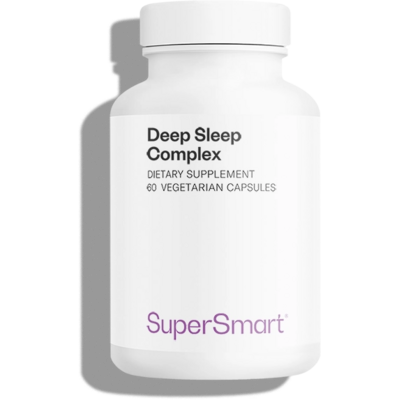
 Discover Deep Sleep Complex, a formula designed to support continuous, restorative sleep, containing 200 mg of Magnolia officinalis bark extract standardised to 90% honokiol and magnolol per daily dose.
Valerian (Valeriana officinalis)
Traditionally used in Europe, valerian root is employed to relieve mild symptoms of nervous tension and promote sleep.
Valerenic acid, one of its most extensively studied compounds, may modulate GABA-A receptors via a site distinct from the benzodiazepine binding site explored for honokiol (5).
However, reviews remain cautious: trials use heterogeneous extracts and mainly suggest a possible improvement in the subjective quality of sleep. Results regarding sleep onset latency and sleep architecture remain variable.
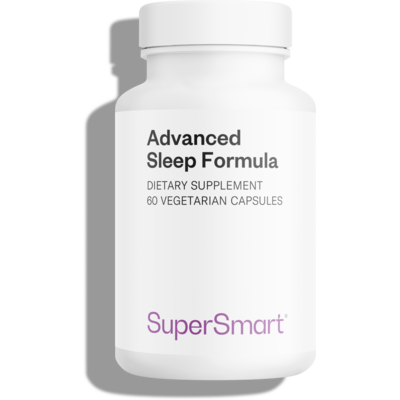
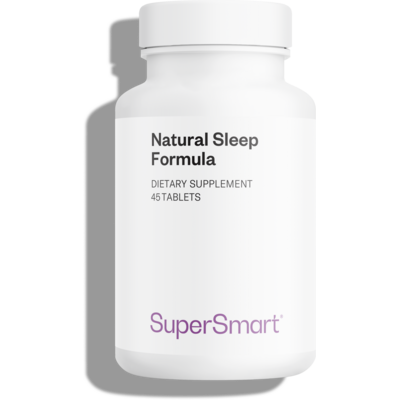
Discover Natural Sleep Formula, Advanced Sleep Formula two formulations combining valerian with other active ingredients designed to promote sleep.
Passionflower (Passiflora incarnata)
Native to the Americas, passionflower is traditionally used to relieve mild symptoms of mental stress and promote sleep.
It contains flavonoids, including vitexin. Preclinical studies suggest that certain extracts may modulate GABAergic transmission, but the compounds responsible and their precise mechanisms remain poorly understood.
Its main benefit here lies in the relaxation it can promote when nervous tension and ruminating thoughts delay falling asleep.
Discover Advanced Sleep Formula which contain passionflower, as well as Natural Sleep Formula, based on a different combination of plants.
Lemon balm (Melissa officinalis)
Recognisable by its lemon-scented leaves, lemon balm is traditionally used to relieve mild symptoms of stress and promote sleep.
Rosmarinic acid, one of its main phenolic compounds, has been shown in vitro to inhibit GABA transaminase, an enzyme involved in the breakdown of GABA (6). This potential mechanism therefore appears to affect the availability of this neurotransmitter rather than acting directly on its receptors.
Lemon balm is also traditionally associated with digestive comfort, which sets it apart from the other plants featured here when bloating or indigestion disrupts sleep.
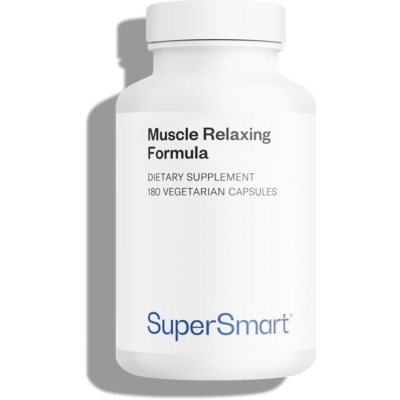
Discover Muscle Relaxing Formula, a relaxation-focused formula that contains lemon balm, amongst other ingredients.
The tea plant (Camellia sinensis), for its L-theanine
Green tea can be stimulating due to its caffeine content. L-theanine, isolated from its leaves, has a different profile: this amino acid is being studied for its ability to promote a state of relaxation without significant sedation.
In particular, it may increase the activity of alpha brain waves, which are associated with a relaxed yet alert state. This profile sets it apart from the plants mentioned earlier: L-theanine is primarily studied for its potential effect on hyperarousal and sleep quality.
In a 2019 randomised trial, taking 200 mg per day for four weeks improved certain components of the PSQI questionnaire, particularly those relating to sleep latency and sleep disturbances (7).
Discover Deep Sleep Complex, which provides 200 mg of L-theanine per daily dose, alongside, amongst other ingredients, magnolia extract.
Restorative sleep: multiple compounds for multiple factors
Difficulty falling asleep and waking up during the night are not always caused by the same factors: formulations combining several active ingredients, each studied for distinct mechanisms of action, can therefore offer a complementary approach.
Among the non-plant-based compounds is L-ornithine, an amino acid involved in the urea cycle, which takes place mainly in the liver.
In a 2014 trial, taking 400 mg of L-ornithine daily for 8 weeks in 52 people was associated with a reduction in serum cortisol and the cortisol/DHEA-S ratio, as well as an improvement in perceived sleep quality (8).
PeptiSleep™, meanwhile, is a brown rice protein hydrolysate containing bioactive peptides identified using artificial intelligence. It is currently undergoing clinical trials focusing on sleep quality, duration and continuity.
Combined with magnolia and L-theanine, these compounds form the basis of a formula that targets several mechanisms potentially involved in stress, hyperarousal and sleep regulation.
Discover Deep Sleep Complex, which combines four complementary active ingredients: PeptiSleep™, L-ornithine, Magnolia officinalis extract and L-theanine.
What habits should you adopt to regain restful sleep?
Herbs can be helpful as part of a holistic approach to sleep.
However, they are no substitute for a healthy lifestyle or appropriate medical care: if your sleep problems persist or are affecting your daily life, consult a healthcare professional.
Habits to adopt include:
- Maintain a regular routine: going to bed and getting up at as consistent times as possible, including at weekends, helps to synchronise the circadian clock, which plays a key role in regulating melatonin and body temperature.
- Limit screen time and stimulants in the evening: the light emitted by screens, particularly its blue component, can delay melatonin secretion and keep you awake. Caffeine has an average half-life of around five to six hours, with significant individual variations: when consumed late in the day, it can still disrupt the ability to fall asleep, as well as the duration and quality of sleep, several hours later.
- Create an environment conducive to sleep: a cool bedroom, ideally around 63 to 64°F., a dark and quiet room, and a regular routine help to establish cues that promote falling asleep. ADEME advises that the temperature in bedrooms should not exceed 64 °F at night.
SUPERSMART ADVICE
References
- Ishii, T., Taweesedt, P. T., Chick, C. F., O'Hara, R., & Kawai, M. (2024). From macro to micro: slow-wave sleep and its pivotal health implications. Frontiers in Sleep, 3, 1322995. https://doi.org/10.3389/frsle.2024.1322995
- Qu, W. M., Yue, X. F., Sun, Y., Fan, K., Chen, C. R., Hou, Y. P., Urade, Y., & Huang, Z. L. (2012). Honokiol promotes non-rapid eye movement sleep via the benzodiazepine site of the GABA(A) receptor in mice. British Journal of Pharmacology, 167(3), 587–598. https://pubmed.ncbi.nlm.nih.gov/22537192/
- Buckley, T. M., & Schatzberg, A. F. (2005). On the interactions of the hypothalamic-pituitary-adrenal (HPA) axis and sleep: normal HPA axis activity and circadian rhythm, exemplary sleep disorders. The Journal of Clinical Endocrinology & Metabolism, 90(5), 3106–3114. https://pubmed.ncbi.nlm.nih.gov/15728214/
- Talbott, S. M., Talbott, J. A., & Pugh, M. (2013). Effect of Magnolia officinalis and Phellodendron amurense (Relora®) on cortisol and psychological mood state in moderately stressed subjects. Journal of the International Society of Sports Nutrition, 10(1), 37. https://pubmed.ncbi.nlm.nih.gov/23924268/
- Benke, D., Barberis, A., Kopp, S., Altmann, K. H., Schubiger, M., Vogt, K. E., Rudolph, U., & Möhler, H. (2009). GABA-A receptors as in vivo substrate for the anxiolytic action of valerenic acid, a major constituent of valerian root extracts. Neuropharmacology, 56(1), 174–181. https://pubmed.ncbi.nlm.nih.gov/18602406/
- Awad, R., Muhammad, A., Durst, T., Trudeau, V. L., & Arnason, J. T. (2009). Bioassay-guided fractionation of lemon balm (Melissa officinalis L.) using an in vitro measure of GABA transaminase activity. Phytotherapy Research, 23(8), 1075–1081. https://pubmed.ncbi.nlm.nih.gov/19165747/
- Hidese, S., Ogawa, S., Ota, M., Ishida, I., Yasukawa, Z., Ozeki, M., & Kunugi, H. (2019). Effects of L-theanine administration on stress-related symptoms and cognitive functions in healthy adults: a randomized controlled trial. Nutrients, 11(10), 2362. https://pubmed.ncbi.nlm.nih.gov/31623400/
- Miyake, M., Kirisako, T., Kokubo, T., Miura, Y., Morishita, K., Okamura, H., & Tsuda, A. (2014). Randomised controlled trial of the effects of L-ornithine on stress markers and sleep quality in healthy workers. Nutrition Journal, 13, 53. https://pubmed.ncbi.nlm.nih.gov/24889392/
Keywords




23 Hours
I have been taking ParActin for several years and can really tell the difference
I have been taking ParActin for several years. I started with a combination of ParActin and Turmeric that I purchased at Costco. When they stopped carrying this, I, of course, stopped taking it. I didn't feel as well and searched out ParActin and paired it together with a turmeric/curcumin supplement. I feel better and it helps aches and pains recover quicker.
Linda
1 Days
Products that work
Products that work
William Hegel
1 Days
Product arrived in a timely fashion and…
Product arrived in a timely fashion and in good condition.
NELSON Jerry
3 Days
Product effectiveness
Quick delivery. Giving product 90 days to see if there are any positive changes. Starting days 31-60
Bob L
7 Days
Easy to order products
Easy to order products
Edward P
11 Days
correct product arrived on time
The product arrived on time and appears to be what I ordered (i do not perform any tests outside of my own experience). I have used this Bacillus Subtills for quite over a year, and I am convinced of it's contribution to my microbiome. The product and business model work well.
Lisa
11 Days
All the supplements are of great…
All the supplements are of great quality and they have almost anything you could need
kirstin Torres
11 Days
Easy to order, fast delivery
Easy to order, fast
Sissy Lawson
15 Days
What luck to come across such a clean…
What luck to come across such a clean brand! No bad ingredients in these and a reasonable price for what we're getting.
Bindi S
17 Days
The best supplement for…
The best supplement for hyperpigmentation or melasma. I have struggled with melasma and hyperpigmentation for 10 years. I have tried everything, including lasers. Nothing really worked except this!
NS
19 Days
Great source for high quality…
Great source for high quality supplements
Vikki L
21 Days
Recommended: "Eye Pressure"
(Eye Pressure pills) Highly recommended for glaucoma patients
LM
22 Days
Great follow-up
Great follow-up
Michael Henderson
26 Days
My hair isn't gray.
My hair isn't gray.
TANQUARY Damon
26 Days
The ease of ordering is not the only …
The ease of ordering is not the only reason why I trust Super Smart Supplements. This company researches everything they sell. Educating Me with a wealth knowledge to make Better Supplement choices. The paractin Andrographis is awesome! I noticed less Knee, shoulder or joint pain. Which proves to me, you're never too old to repair what a lifetime of intense usage has done to your body. I recommend SUPER SMART to anyone who is looking to improve their overall health & maintain an active ,pain free life as You age.
Mchael Montalbano