
Mineral salts: benefits & natural sources
Essential for good health, mineral salts are involved in hundreds of reactions in the body. Discover their essential benefits and where to find them naturally, both in food and in food supplements.


What you need to know about mineral salts
What are minerals?
Minerals include a large number of solid elements that are essential for the body to function properly, such as calcium, magnesium and iron.
Unlike macronutrients (carbohydrates, lipids, proteins), they do not provide energy. However, they do play a fundamental role in hundreds of physiological reactions.
Depending on the case, they may be involved in muscle contraction, nerve conduction, hormone production, immunity, bone strength, the fight against fatigue and many other mechanisms besides (1-3).
Their presence is therefore essential for good health.
Minerals are not found naturally in pure form, but in the form of salts.
In nature, a mineral never appears in its pure form. It is always combined with other compounds to form mineral salts.
In food, these salts are of natural origin: for example, calcium binds with phosphorus and is present in the form of calcium phosphate in dairy products.
In food supplements, mineral salts are specifically formulated to optimize their assimilation (4-5).
For example, calcium may be offered in the form of calcium citrate, or zinc in the form of zinc gluconate, for improved bioavailability and digestive tolerance.
In fact, each type of salt has its own characteristics, over and above those of the mineral itself, particularly in terms of bioavailability (6).
Chelated and non-chelated forms
Depending on the molecule with which the mineral is associated, there are two main families of mineral salts.
In chelated forms, the mineral is linked to an amino acid (the building blocks of proteins).
This allows it to cross the intestinal barrier, offering better bioavailability and digestive tolerance (7).
This is the case with iron bisglycinate or chromium picolinate.
In non-chelated forms, the mineral is simply attached to a relatively basic molecule, such as a salt or an organic acid.
For example, calcium may be bound to citric acid to form calcium citrate, magnesium to sulfuric acid to form magnesium sulfate, or zinc to gluconic acid to form zinc gluconate.
These forms are generally well tolerated and easy to produce, but their absorption can vary depending on the individual and digestive conditions.
Calcium: a key mineral for bones and teeth
What are the benefits of calcium?
Calcium is the most abundant mineral in the human body.
It is found primarily in bones and teeth, where it plays a vital role in their maintenance and health.
It is also involved in blood clotting, the normal functioning of digestive enzymes, muscle contraction and nerve transmission.
Biologically, it is thought to act as an intracellular signal, enabling good communication between cells, particularly in nerve and muscle tissue (8).
Where can I find calcium?
Calcium is found in dairy products (in the form of calcium phosphate), sardines with bones and certain calcium-rich mineral waters.
In food supplements, it is available in various forms, in particular calcium orotate, which offers excellent bioavailability.
 Discover the Calcium Orotate food supplement, which offers 40% greater absorption than conventional calcium salts.
Iron: essential for oxygen transport
What are the benefits of iron?
Iron is a trace element found in hemoglobin. It is essential for binding oxygen in red blood cells and transporting it throughout the body (9).
Iron also contributes to the normal formation of red blood cells.
It is also involved in the normal functioning of the immune system (10), energy metabolism and reducing fatigue (11).
Where can I find iron?
Iron comes in two forms:
- haem iron, found in red meat in particular, and better absorbed by the body
- non-haem iron, found in legumes such as lentils, spinach and soya
As a dietary supplement, one of the most highly bioavailable and perfectly tolerated forms is iron bisglycinate (12).
Discover Iron Bisglycinate, a dietary supplement made from iron bisglycinate, compatible with a vegetarian diet.
Magnesium: a support for energy and the nervous system
What are the benefits of magnesium?
Magnesium is an essential mineral for the body. It is involved in over 300 enzymatic reactions!
Among other roles, it contributes to energy metabolism, the normal functioning of the nervous system and the reduction of fatigue (13-14).
It also contributes to normal muscle function and the maintenance of normal teeth and bones (15).
At the cellular level, magnesium is thought to stabilise membranes and play a central role in the production of ATP, the main source of energy for cells (16-17).
Where can I find magnesium?
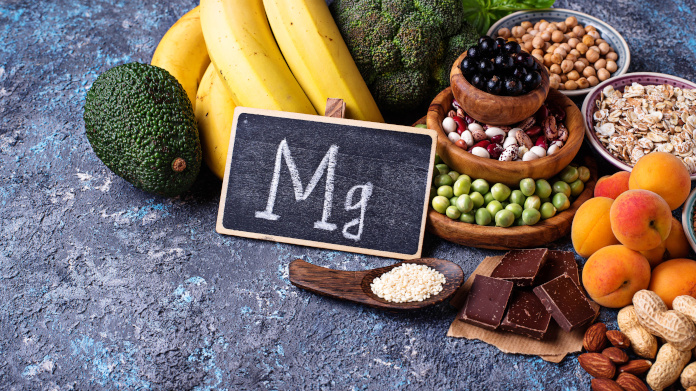
Magnesium is found in oilseeds (almonds, cashews, etc.), green vegetables (chlorophyll is a source of magnesium) and wholegrain cereals.
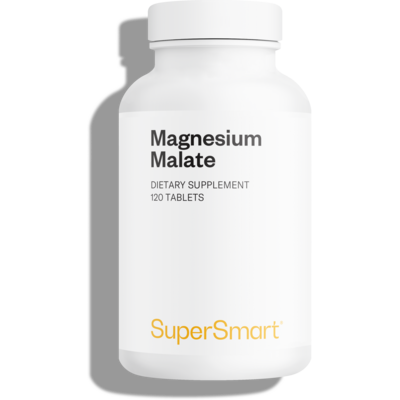
In food supplements, it is found in the form of malate or orotate, for better assimilation by the body.
Discover Magnesium Malate and Magnesium Orotate food supplements, forms with excellent bioavailability.
Magnesium L-threonate is notable for its ability to cross the blood–brain barrier and reach the brain.
Discover the Magnesium L-Threonate food supplement for targeted action.
It is also possible to consume several forms of magnesium in the same supplement product.
Discover the OptiMag food supplement, which combines 8 exceptional forms of magnesium.
Potassium: important for water balance
What are the benefits of potassium?
Potassium is one of the major electrolytes. It is mainly present in the intracellular environment (18).
In particular, it contributes to the normal functioning of the nervous system, normal muscle function and the maintenance of normal blood pressure.
Biologically, potassium regulates water exchange and is involved in the transmission of nerve impulses through its role in the electrical potential of cells (19).
Where can I find potassium?
Potassium is found in bananas, potatoes and legumes.
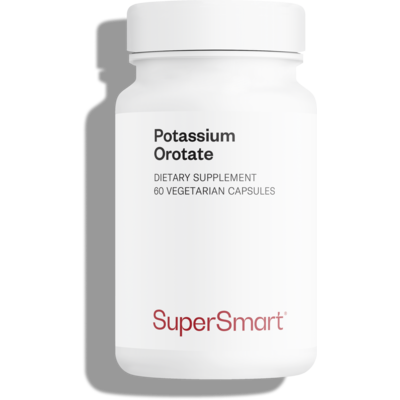
In food supplements, it is generally offered in the form of potassium orotate or potassium bicarbonate, for better assimilation.
Discover the Potassium Orotate food supplements, which offer unbeatable absorption, and Potassium Bicarbonate, at the excellent dosage of 525 mg per capsule.
Sodium: essential for the body, but eaten in moderation
What are the benefits of sodium?
Sodium is an essential electrolyte. It is found mainly in blood plasma and extracellular fluids.
Research shows that within our bodies, it influences the regulation of water balance and blood volume, via the sodium-potassium pump (20).
This property means that we need to be careful not to consume too many sources of sodium, as too much can lead to problems with high blood pressure (21).
Where can I find sodium?
Most sodium is found in table salt, in the form of sodium chloride. It is also found in processed foods and is a common addition to home-cooked meals to enhance flavor.
Sodium supplements are rare, as our diet already provides too much sodium most of the time.
Zinc: a versatile trace element
What are the benefits of zinc?
Zinc is a trace element present in every cell of the body.
Biologically, it acts as a cofactor for enzymes involved in cell growth and tissue repair.
It therefore fulfillls a number of roles, including (22):
- helping to maintain normal skin, hair, nails and bones
- involvement in fertility and reproduction
- contributing to the normal functioning of the immune system and to cognitive function
- contributing to the normal synthesis of DNA and to the process of cell division
- helping to protect cells against oxidative stress
Where can I find zinc?
Zinc is found in oysters, beef, pumpkin seeds and legumes.
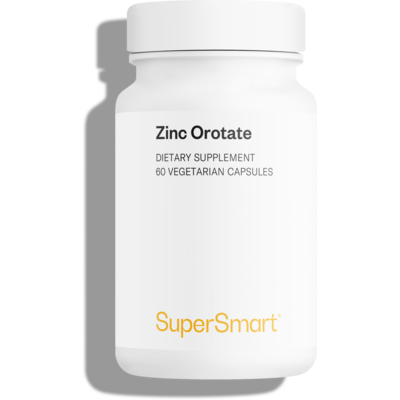
In food supplements, it is often present in the form of zinc orotate, which has one of the best known bioavailabilities.
Find out more about the broad-spectrum effectiveness of the Zinc Orotate food supplement.
Selenium: cell protection and thyroid balance
What are the benefits of selenium?
Selenium is an antioxidant trace element. It is mainly present in proteins called selenoproteins.
In particular, it helps protect cells against oxidative stress (23) and helps maintain normal hair and nails.
It also contributes to the normal functioning of the immune system and thyroid (24).
On a biological level, selenium is thought to play a part in the structure of glutathione peroxidase, a key enzyme in the fight against free radicals (25).
Where can I find selenium?
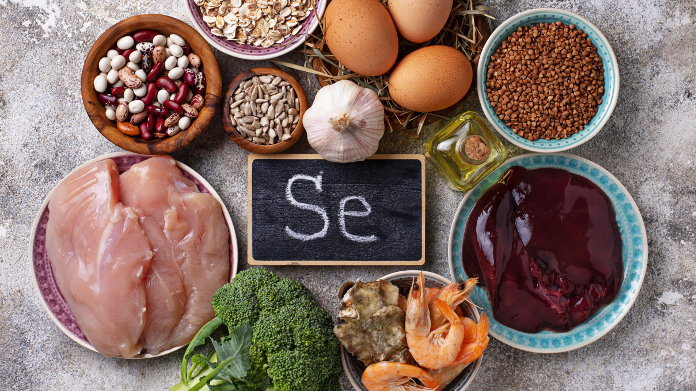
Brazil nuts are the most concentrated source of selenium.
It is also found in fish, meat and eggs.
As a dietary supplement, it is often available in the form of selenomethionine (or L-selenomethionine).
Discover Selenium, a dietary supplement formulated with L-Selenomethionine, the most bioavailable form of selenium.
Iodine: essential for thyroid function
What are the benefits of iodine?
Iodine is a trace element essential for the production of thyroid hormones (particularly T4 and T3) and normal thyroid function (26).
It also contributes to normal energy metabolism, normal functioning of the nervous system and cognitive function (27) and maintenance of normal skin.
Where can I find iodine?
Iodine is mainly found in seafood, particularly in seaweed, fish and shellfish.
As a supplement, it is available in the form of iodide or sometimes extracted from laminaria seaweed.
Discover the food supplements Lugol 1%, a solution based on potassium iodide in drops, and Natural Thyro Formula, a formula rich in iodine to support thyroid balance.
Manganese: for bone structure and energy metabolism
What are the benefits of manganese?
Manganese is a trace element present in very small quantities in the body, but it is essential.
It helps to maintain normal bone structure, normal energy metabolism and protect cells against oxidative stress (28-29).
Biologically, it is thought to be a cofactor in enzymes involved in cartilage formation and in neutralizing free radicals (30).
Where can I find manganese?
Manganese is found in tea, wholemeal cereals, nuts and legumes.
As a supplement, it is often offered in the form of manganese gluconate or citrate. More often than not, it is included in the composition of multivitamin and mineral supplements.
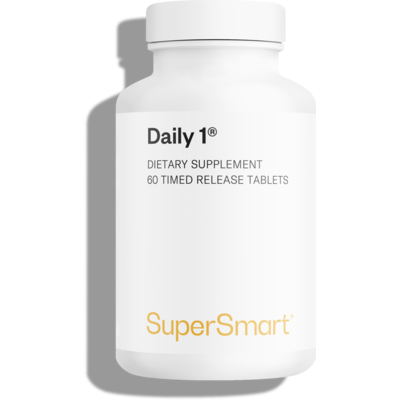
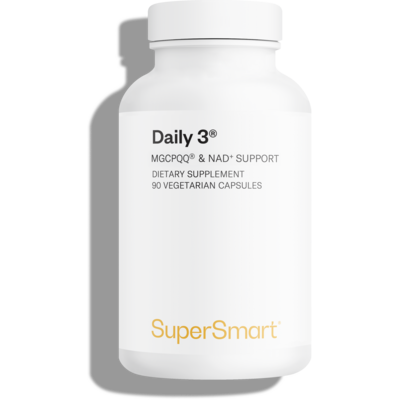
Discover Daily 1, Daily 3 and Daily 6 food supplements, formulas made from several vitamins and minerals, including manganese.
Chromium: for a balanced metabolism
What are the benefits of chromium?
Chromium is a trace element involved in the normal metabolism of macronutrients, particularly carbohydrates and fats.
It also helps maintain normal blood sugar levels.
Biologically speaking, chromium potentiates the action of insulin, thereby promoting the entry of glucose into cells (31-33).
Where can I find chromium?
Chromium is found in meat, broccoli and wholemeal cereals.
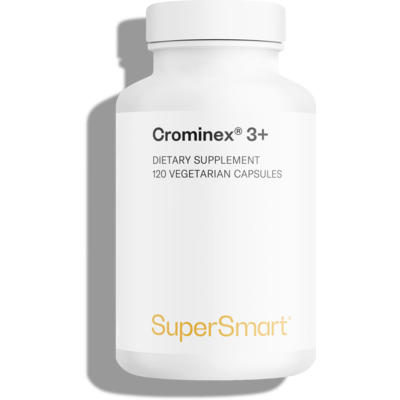
As a supplement, it is often offered in the form of picolinate or polynicotinate, as well as in formulations specifically designed for maximum effectiveness.
Discover Crominex 3+, a dietary supplement made from trivalent chromium (Cr3+), an optimal form of chromium.
SUPERSMART ADVICE
References
- Farag MA, Abib B, Qin Z, Ze X, Ali SE. Dietary macrominerals: Updated review of their role and orchestration in human nutrition throughout the life cycle with sex differences. Curr Res Food Sci. 2023 Feb 1;6:100450. doi: 10.1016/j.crfs.2023.100450. PMID: 36816001; PMCID: PMC9932710.
- Stefanache A, Lungu II, Butnariu IA, Calin G, Gutu C, Marcu C, Grierosu C, Bogdan Goroftei ER, Duceac LD, Dabija MG, Popa F, Damir D. Understanding How Minerals Contribute to Optimal Immune Function. J Immunol Res. 2023 Nov 1;2023:3355733. doi: 10.1155/2023/3355733. PMID: 37946846; PMCID: PMC10632063.
- Weyh C, Krüger K, Peeling P, Castell L. The Role of Minerals in the Optimal Functioning of the Immune System. Nutrients. 2022 Feb 2;14(3):644. doi: 10.3390/nu14030644. PMID: 35277003; PMCID: PMC8840645.
- Weyh C, Krüger K, Peeling P, Castell L. The Role of Minerals in the Optimal Functioning of the Immune System. Nutrients. 2022 Feb 2;14(3):644. doi: 10.3390/nu14030644. PMID: 35277003; PMCID: PMC8840645.
- Case DR, Zubieta J, Gonzalez R, Doyle RP. Synthesis and Chemical and Biological Evaluation of a Glycine Tripeptide Chelate of Magnesium. Molecules. 2021 Apr 21;26(9):2419. doi: 10.3390/molecules26092419. PMID: 33919285; PMCID: PMC8122334.
- Heaney RP. Factors influencing the measurement of bioavailability, taking calcium as a model. J Nutr. 2001 Apr;131(4 Suppl):1344S-8S. doi: 10.1093/jn/131.4.1344S. PMID: 11285351.
- Ashmead HD. The absorption and metabolism of iron amino acid chelate. Arch Latinoam Nutr. 2001 Mar;51(1 Suppl 1):13-21. PMID: 11688075.
- Parys JB, Guse AH. Full focus on calcium. Sci Signal. 2019 Sep 17;12(599):eaaz0961. doi: 10.1126/scisignal.aaz0961. PMID: 31530730.
- Coates TD. Physiology and pathophysiology of iron in hemoglobin-associated diseases. Free Radic Biol Med. 2014 Jul;72:23-40. doi: 10.1016/j.freeradbiomed.2014.03.039. Epub 2014 Apr 12. PMID: 24726864; PMCID: PMC4940047.
- Ni S, Yuan Y, Kuang Y, Li X. Iron Metabolism and Immune Regulation. Front Immunol. 2022 Mar 23;13:816282. doi: 10.3389/fimmu.2022.816282. PMID: 35401569; PMCID: PMC8983924.
- Kapoor MP, Sugita M, Kawaguchi M, Timm D, Kawamura A, Abe A, Okubo T. Influence of iron supplementation on fatigue, mood states and sweating profiles of healthy non-anemic athletes during a training exercise: A double-blind, randomized, placebo-controlled, parallel-group study. Contemp Clin Trials Commun. 2023 Feb 3;32:101084. doi: 10.1016/j.conctc.2023.101084. PMID: 36817736; PMCID: PMC9932653.
- Fischer JAJ, Cherian AM, Bone JN, Karakochuk CD. The effects of oral ferrous bisglycinate supplementation on hemoglobin and ferritin concentrations in adults and children: a systematic review and meta-analysis of randomized controlled trials. Nutr Rev. 2023 Jul 10;81(8):904-920. doi: 10.1093/nutrit/nuac106. PMID: 36728680; PMCID: PMC10331582.
- Jahnen-Dechent W, Ketteler M. Magnesium basics. Clin Kidney J. 2012 Feb;5(Suppl 1):i3-i14. doi: 10.1093/ndtplus/sfr163. PMID: 26069819; PMCID: PMC4455825.
- Fatima G, Dzupina A, B Alhmadi H, Magomedova A, Siddiqui Z, Mehdi A, Hadi N. Magnesium Matters: A Comprehensive Review of Its Vital Role in Health and Diseases. Cureus. 2024 Oct 13;16(10):e71392. doi: 10.7759/cureus.71392. PMID: 39539878; PMCID: PMC11557730.
- Souza ACR, Vasconcelos AR, Dias DD, Komoni G, Name JJ. The Integral Role of Magnesium in Muscle Integrity and Aging: A Comprehensive Review. Nutrients. 2023 Dec 16;15(24):5127. doi: 10.3390/nu15245127. PMID: 38140385; PMCID: PMC10745813.
- Golshani-Hebroni S. Mg(++) requirement for MtHK binding, and Mg(++) stabilization of mitochondrial membranes via activation of MtHK & MtCK and promotion of mitochondrial permeability transition pore closure: A hypothesis on mechanisms underlying Mg(++)'s antioxidant and cytoprotective effects. Gene. 2016 Apr 25;581(1):1-13. doi: 10.1016/j.gene.2015.12.046. Epub 2015 Dec 28. PMID: 26732303.
- Yamanaka R, Tabata S, Shindo Y, Hotta K, Suzuki K, Soga T, Oka K. Mitochondrial Mg(2+) homeostasis decides cellular energy metabolism and vulnerability to stress. Sci Rep. 2016 Jul 26;6:30027. doi: 10.1038/srep30027. PMID: 27458051; PMCID: PMC4960558.
- Frassetto LA, Goas A, Gannon R, Lanham-New SA, Lambert H. Potassium. Adv Nutr. 2023 Sep;14(5):1237-1240. doi: 10.1016/j.advnut.2023.06.004. Epub 2023 Jun 10. PMID: 37308080; PMCID: PMC10509458.
- Shrimanker I, Bhattarai S. Electrolytes. 2023 Jul 24. In: StatPearls [Internet]. Treasure Island (FL): StatPearls Publishing; 2025 Jan–. PMID: 31082167.
- Bernal A, Zafra MA, Simón MJ, Mahía J. Sodium Homeostasis, a Balance Necessary for Life. Nutrients. 2023 Jan 12;15(2):395. doi: 10.3390/nu15020395. PMID: 36678265; PMCID: PMC9862583.
- Grillo A, Salvi L, Coruzzi P, Salvi P, Parati G. Sodium Intake and Hypertension. Nutrients. 2019 Aug 21;11(9):1970. doi: 10.3390/nu11091970. PMID: 31438636; PMCID: PMC6770596.
- Roohani N, Hurrell R, Kelishadi R, Schulin R. Zinc and its importance for human health: An integrative review. J Res Med Sci. 2013 Feb;18(2):144-57. PMID: 23914218; PMCID: PMC3724376.
- Lee JG, Jang JY, Baik SM. Selenium as an Antioxidant: Roles and Clinical Applications in Critically Ill and Trauma Patients: A Narrative Review. Antioxidants (Basel). 2025 Feb 28;14(3):294. doi: 10.3390/antiox14030294. PMID: 40227249; PMCID: PMC11939285.
- Ventura M, Melo M, Carrilho F. Selenium and Thyroid Disease: From Pathophysiology to Treatment. Int J Endocrinol. 2017;2017:1297658. doi: 10.1155/2017/1297658. Epub 2017 Jan 31. PMID: 28255299; PMCID: PMC5307254.
- Zhao Q, Tang Y, Zhang L, Sun N, Liu Q, Zhang R. Biological Functions of Selenoprotein Glutathione Peroxidases (GPXs) and their Expression in Osteoarthritis. J Inflamm Res. 2023 Jan 13;16:183-196. doi: 10.2147/JIR.S388934. PMID: 36686275; PMCID: PMC9848624.
- Sorrenti S, Baldini E, Pironi D, Lauro A, D'Orazi V, Tartaglia F, Tripodi D, Lori E, Gagliardi F, Praticò M, Illuminati G, D'Andrea V, Palumbo P, Ulisse S. Iodine: Its Role in Thyroid Hormone Biosynthesis and Beyond. Nutrients. 2021 Dec 14;13(12):4469. doi: 10.3390/nu13124469. PMID: 34960019; PMCID: PMC8709459.
- Gastaldi R, Muraca M, Beltramo A, Poggi E. Iodine deficiency and its consequences for cognitive and psychomotor development of children. Ital J Pediatr. 2014 Aug 11;40(Suppl 1):A15. doi: 10.1186/1824-7288-40-S1-A15. PMCID: PMC4132543.
- Taskozhina G, Batyrova G, Umarova G, Issanguzhina Z, Kereyeva N. The Manganese-Bone Connection: Investigating the Role of Manganese in Bone Health. J Clin Med. 2024 Aug 9;13(16):4679. doi: 10.3390/jcm13164679. PMID: 39200820; PMCID: PMC11355939.
- Grujicic J, Allen AR. Manganese Superoxide Dismutase: Structure, Function, and Implications in Human Disease. Antioxidants (Basel). 2025 Jul 10;14(7):848. doi: 10.3390/antiox14070848. PMID: 40722952; PMCID: PMC12291727.
- Chen P, Bornhorst J, Aschner M. Manganese metabolism in humans. Front Biosci (Landmark Ed). 2018 Mar 1;23(9):1655-1679. doi: 10.2741/4665. PMID: 29293455.
- Anderson RA. Chromium metabolism and its role in disease processes in man. Clin Physiol Biochem. 1986;4(1):31-41. PMID: 3514054.
- Anderson RA. Nutritional factors influencing the glucose/insulin system: chromium. J Am Coll Nutr. 1997 Oct;16(5):404-10. doi: 10.1080/07315724.1997.10718705. PMID: 9322187.
- Balk EM, Tatsioni A, Lichtenstein AH, Lau J, Pittas AG. Effect of chromium supplementation on glucose metabolism and lipids: a systematic review of randomized controlled trials. Diabetes Care. 2007 Aug;30(8):2154-63. doi: 10.2337/dc06-0996. Epub 2007 May 22. PMID: 17519436.
Keywords



1 Days
correct product arrived on time
The product arrived on time and appears to be what I ordered (i do not perform any tests outside of my own experience). I have used this Bacillus Subtills for quite over a year, and I am convinced of it's contribution to my microbiome. The product and business model work well.
Lisa
1 Days
All the supplements are of great…
All the supplements are of great quality and they have almost anything you could need
kirstin Torres
1 Days
Easy to order, fast delivery
Easy to order, fast
Sissy Lawson
5 Days
What luck to come across such a clean…
What luck to come across such a clean brand! No bad ingredients in these and a reasonable price for what we're getting.
Bindi S
6 Days
The best supplement for…
The best supplement for hyperpigmentation or melasma. I have struggled with melasma and hyperpigmentation for 10 years. I have tried everything, including lasers. Nothing really worked except this!
NS
9 Days
Great source for high quality…
Great source for high quality supplements
Vikki L
11 Days
Recommended: "Eye Pressure"
(Eye Pressure pills) Highly recommended for glaucoma patients
LM
12 Days
Great follow-up
Great follow-up
Michael Henderson
16 Days
My hair isn't gray.
My hair isn't gray.
TANQUARY Damon
16 Days
The ease of ordering is not the only …
The ease of ordering is not the only reason why I trust Super Smart Supplements. This company researches everything they sell. Educating Me with a wealth knowledge to make Better Supplement choices. The paractin Andrographis is awesome! I noticed less Knee, shoulder or joint pain. Which proves to me, you're never too old to repair what a lifetime of intense usage has done to your body. I recommend SUPER SMART to anyone who is looking to improve their overall health & maintain an active ,pain free life as You age.
Mchael Montalbano
19 Days
Quick shipping and very good quality
Quick shipping and very good quality. I’ve bought from them for the last six months
Monig
22 Days
love the quality of the supplements!
love the quality of the supplements!
Tatiana
24 Days
Came quickly
Came quickly
Courtney Everson
24 Days
Feels great on my skin
I have only used the SuperSmart NAD face cream for a couple of weeks. So I can’t say it transformed my skin yet. However, it absorbs nicely. Is not oily or caused any acne. It feels wonderful in my routine which means I will consistently use every day! I’ve already researched the ingredients so I’m confident it will help clear the zombie cells and keep my skin looking fresh. I’m pleasantly surprised and will repurchase!
Moto
27 Days
Excellent quality
Excellent quality, I can usually tell the difference when I get other cheaper brands that are not as good. Supersmart is my first choice
MMA TUBE