

Morning or evening? On an empty stomach or with a meal? When is the best time to take ashwagandha? Understanding how this plant works helps you choose the time to take it that is best suited to your needs and your daily routine.

Aging well does not just depend on our genes. Research is now exploring the intestinal microbiota as a potential factor in the aging process. Two recent studies shed new light on this link, which is still under investigation.

Looking for a solution for stronger, more resistant hair? Vitamin B12 is increasingly being studied for its benefits to hair. But how exactly does it influence hair health?

What if propolis hasn't yet revealed all its secrets? A recent study suggests its potential ability to modulate the composition of the intestinal microbiota, thereby helping to maintain our biological balance.
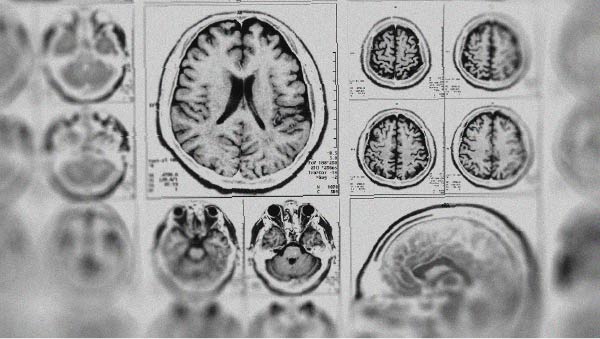
A vast scientific review recently published examines the potential role of melatonin in protecting the brain. And while the research still calls for caution, promising biological mechanisms are emerging from this study...

What if a gradual decline in hearing could silently accelerate cognitive decline? Recent studies reveal an unexpected link between the ear and the brain, paving the way for new prevention strategies.
What if a single can of energy drink were enough to impair vascular function and harm the heart? Scientists have looked into the matter... and their conclusions are thought-provoking.
Did you know that your diet can directly influence the beauty of your hair, from scalp to ends? Discover the 10 star foods for radiant hair... with a superfood of unsuspected benefits at the top of the list!
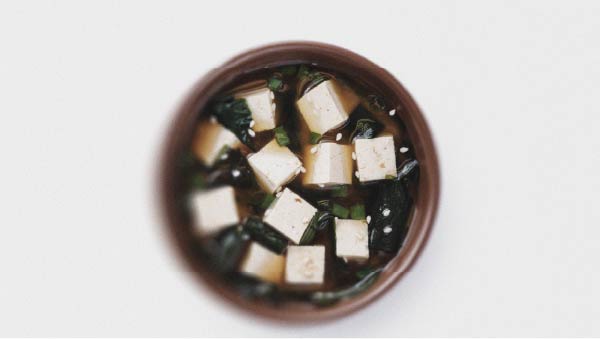
A recent study suggests that eating foods rich in 'good' bacteria that produce certain metabolites could improve psychological well-being by influencing the intestinal microbiota.

Good news! It's perfectly possible to lose weight without frustration and still enjoy eating, by choosing foods that are satiating, nutritious and low in calories.

Recent scientific data supports the long-rumoured link between magnesium, blood pressure and cardiovascular health.

Red vine is much more than a plant associated with wine: it has been used since ancient times to support venous circulation and relieve the sensation of heavy legs. Here's what you need to know to take advantage of its benefits.

A clinical trial conducted on pairs of twins aged over 60 assessed the impact of prebiotic fibre supplementation on cognitive function. And the results could help confirm the link between microbiota and the brain...
When you suddenly go from sitting or lying down to standing up, your blood pressure may fall. This phenomenon, known as orthostatic hypotension, can lead to dizziness, fatigue or blurred vision.
Do you suffer from temporary or persistent diarrhea? Discover the 3 probiotics most studied for their potential effects on preventing and reducing the duration of acute or chronic diarrhea.